The Egyptian God Corpus
A verifiable reference to the gods, demons, and named dead of ancient Egypt
Every spelling is indexed. Type Auset and you will land on Isis.
The state of this corpus, stated plainly
Most references present every name with equal confidence. That is not possible honestly. 601 entries, graded by how much evidence actually survives — and a grade rises only when a new attestation is found, never by writing more.
- 55●fullWell documented. Several independent sources across different periods.
- 87◐partialReal, but the surviving record is thin or comes from one period only.
- 84○name-onlyA name and a job. Nothing else survives — and that is the finding, not a gap in our work.
- 51⚠auditWe could not trace this name to a source we trust. The page is the investigation.
- 252☐stubNot researched yet. Recorded so the roster is complete. Do not cite it.
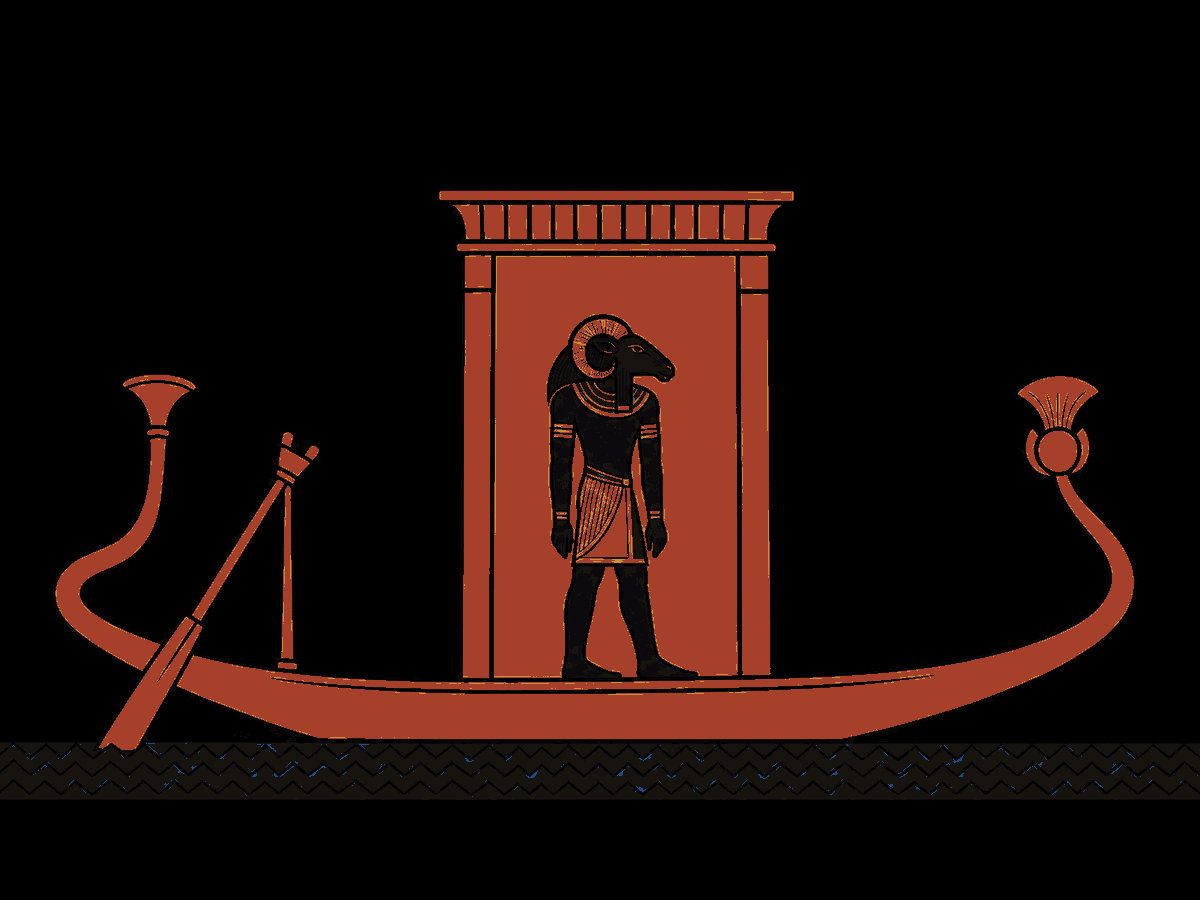
The Twelve Hours
Every night the sun dies and has to be carried through twelve hours of hostile country. Descend with it, hour by hour, and come out at dawn.
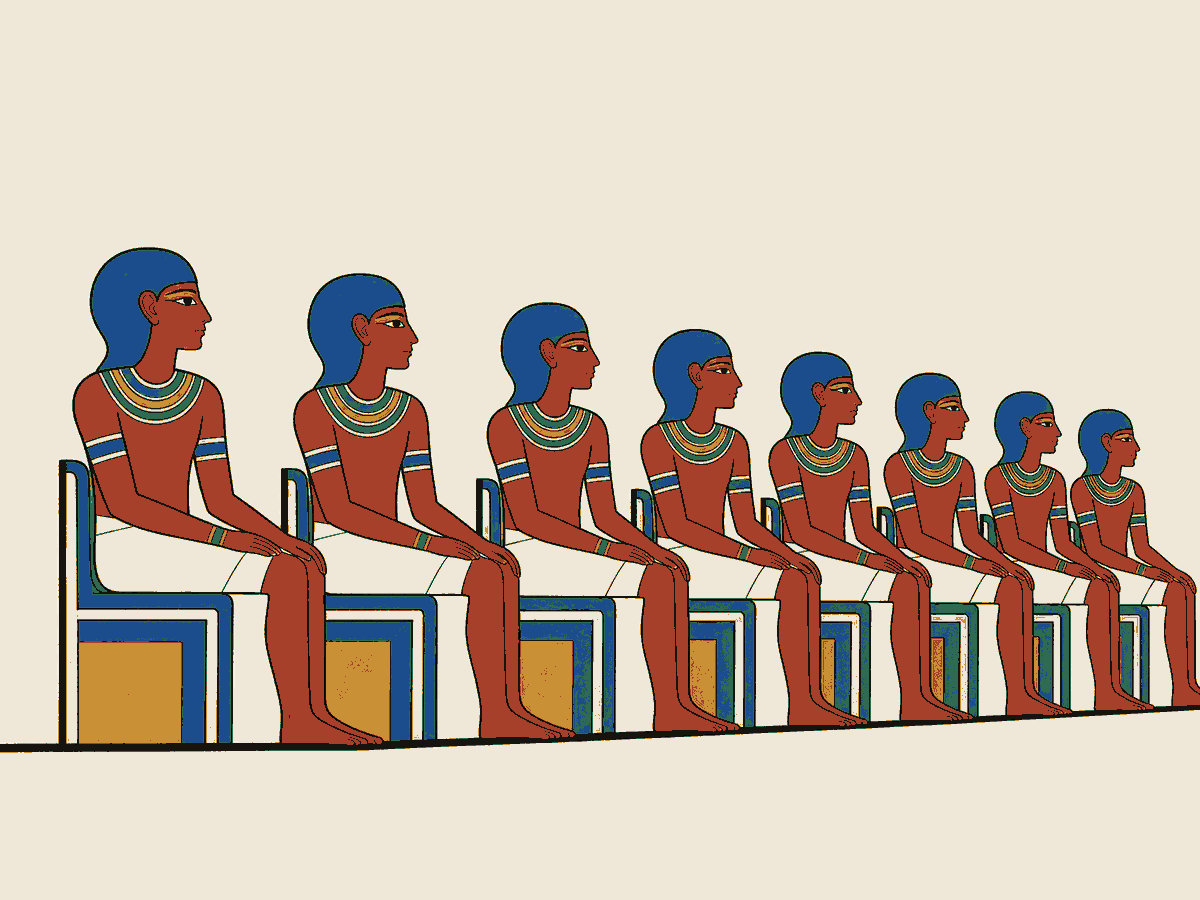
The Bench of Forty-Two
A moral code delivered as a roll-call. Forty-two judges, each from a real town, each owning exactly one offence.
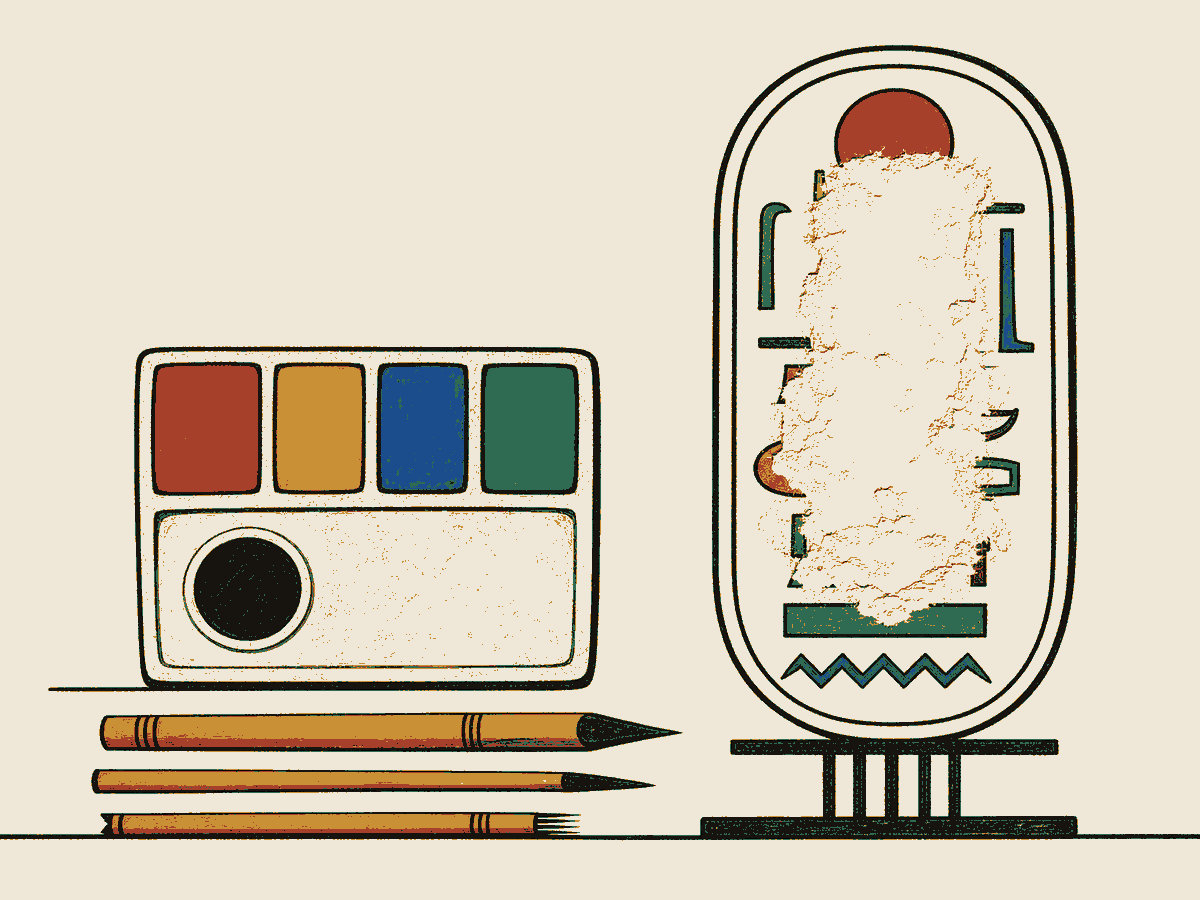
The Audit
Seventeen names that could not be traced. We kept them, and wrote down exactly what they rest on. Showing the seams is the point.
What the corpus concluded
Two arguments the material kept making. Both are synthesis across many entries, and both cite the pages they are built from.
Maintenance, not completion
Egypt has no finished creation. The sun is rowed and towed, right order is propped up nightly by gods who cannot leave, and time itself is made by the crew hauling the boat.
The rival creations
Five cities each claimed their god made the world, and none of the accounts agree. Nothing was ever retracted — the competition is the system.
Researched entries
Each carries its grade. ●full means multiple attestations across periods; ◐partial means genuinely attested but thin or single-period.
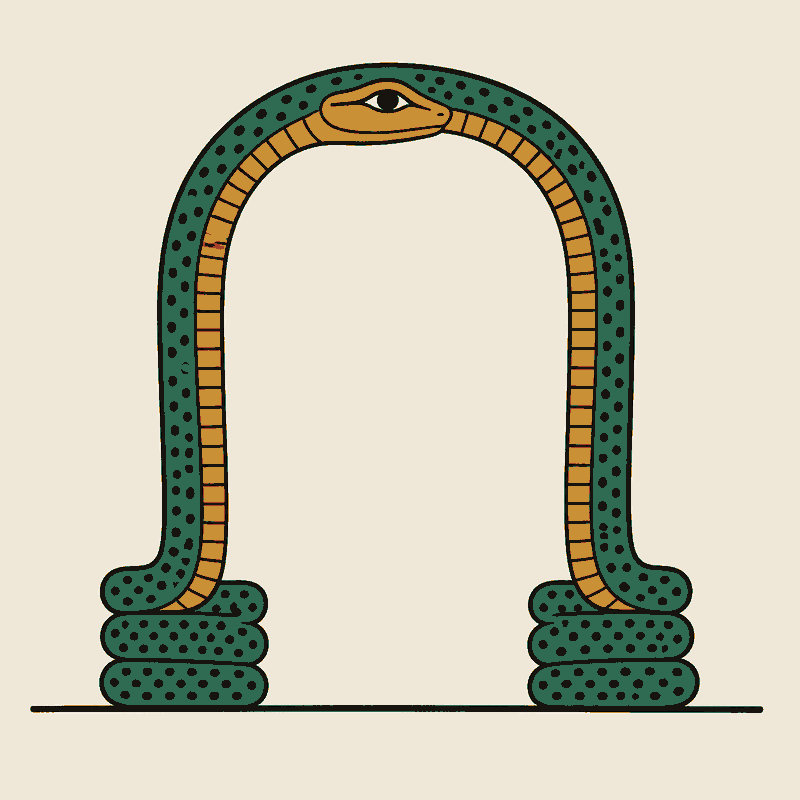
Ab-ta
the serpent on the ninth gate
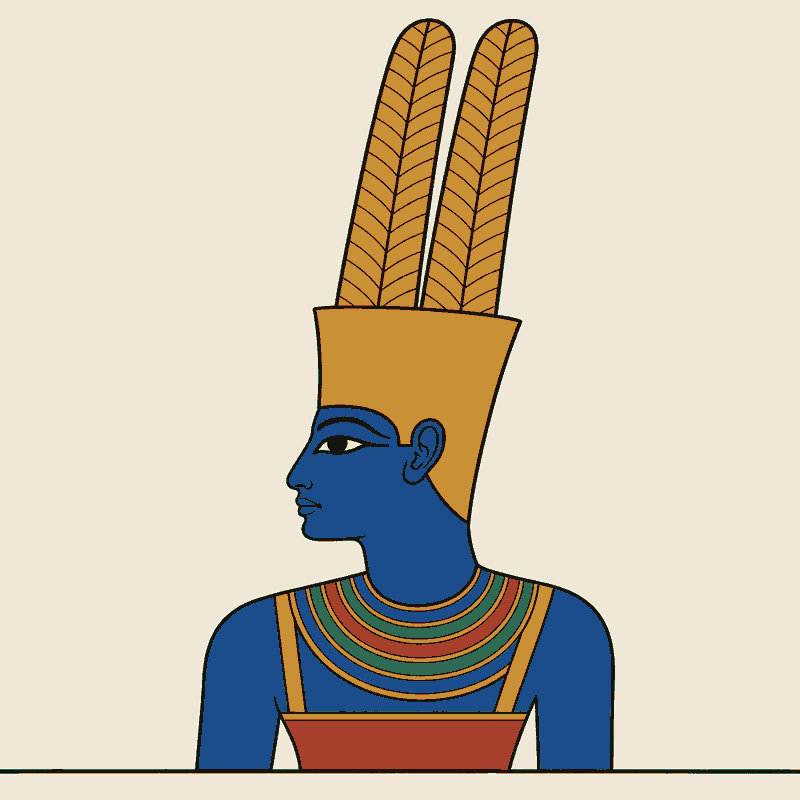
Amun
the hidden one
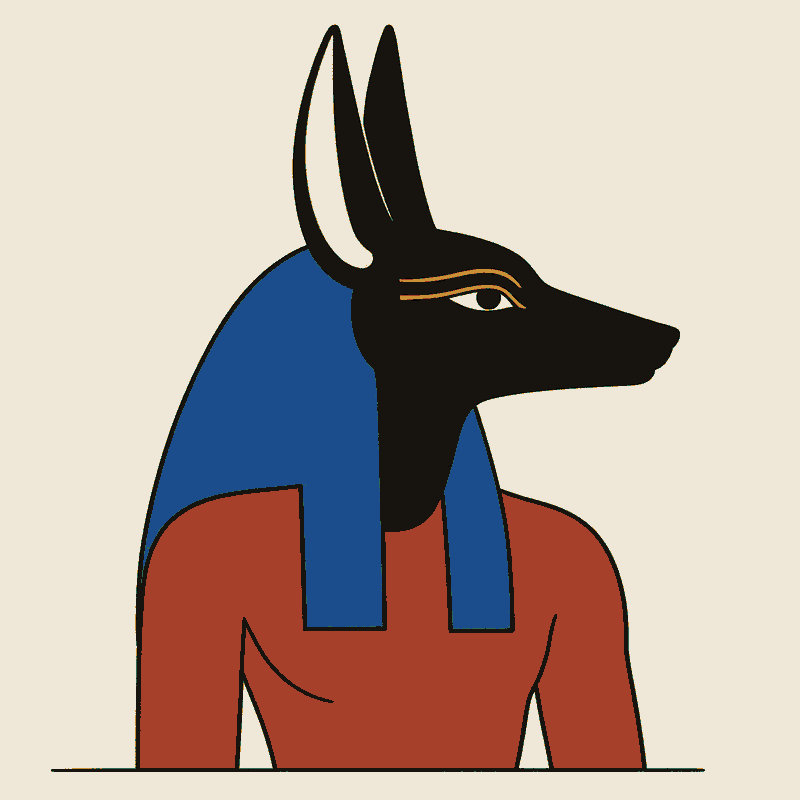
Anubis
he who is upon his mountain, lord of the embalming booth
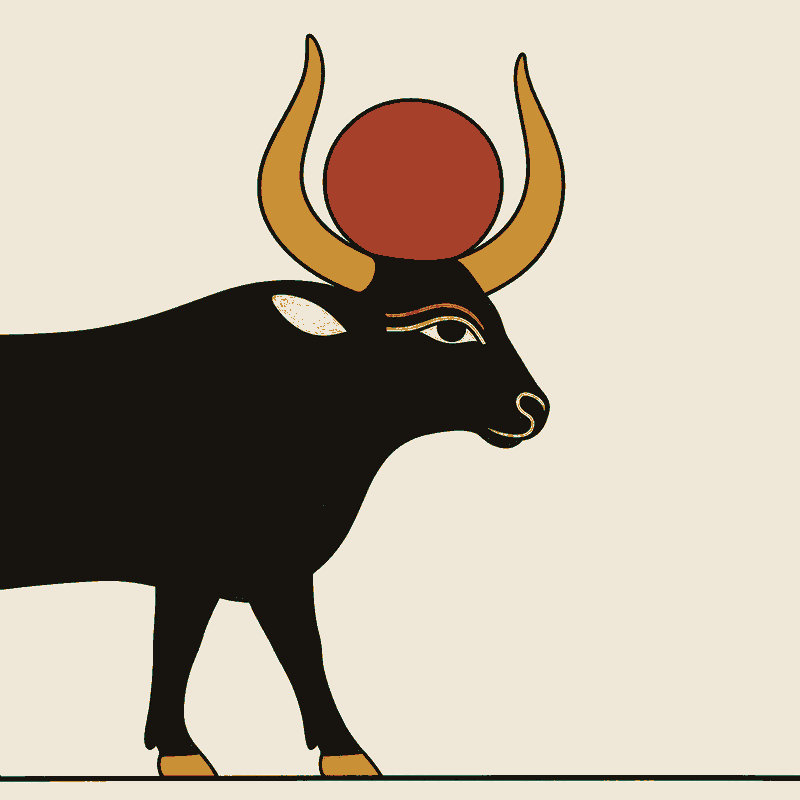
Apis
the bull identified by its markings
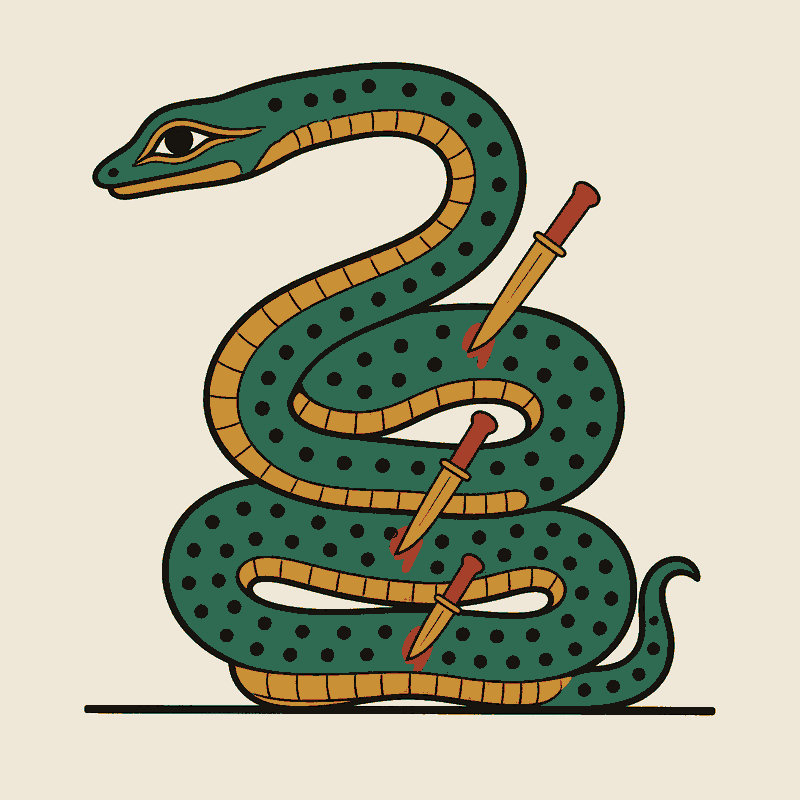
Apophis
the serpent that must be killed every night
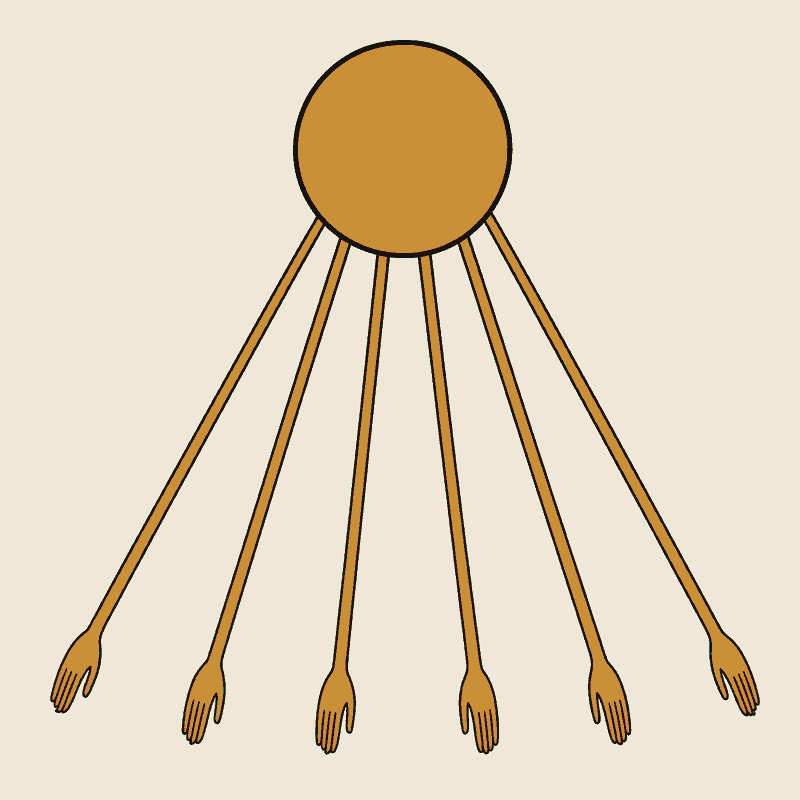
Aten
the disk that was promoted
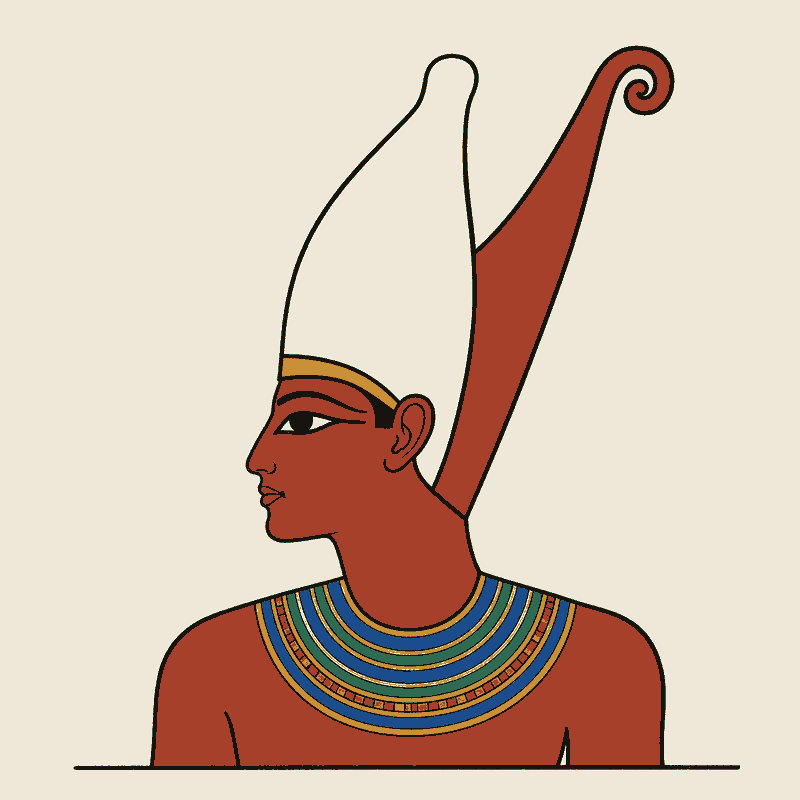
Atum
the one who finishes
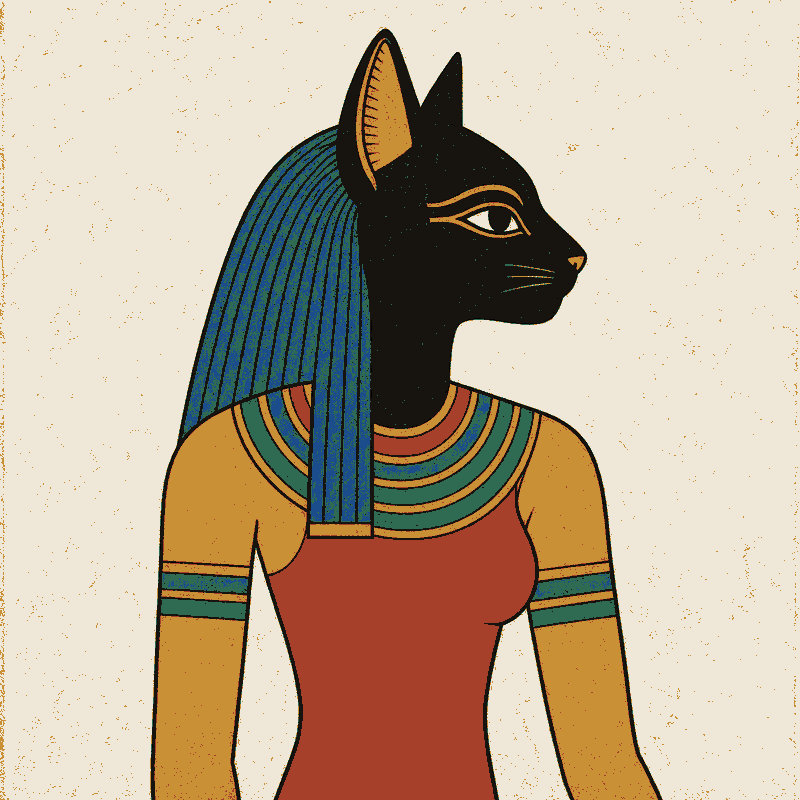
Bastet
the lady of Bubastis
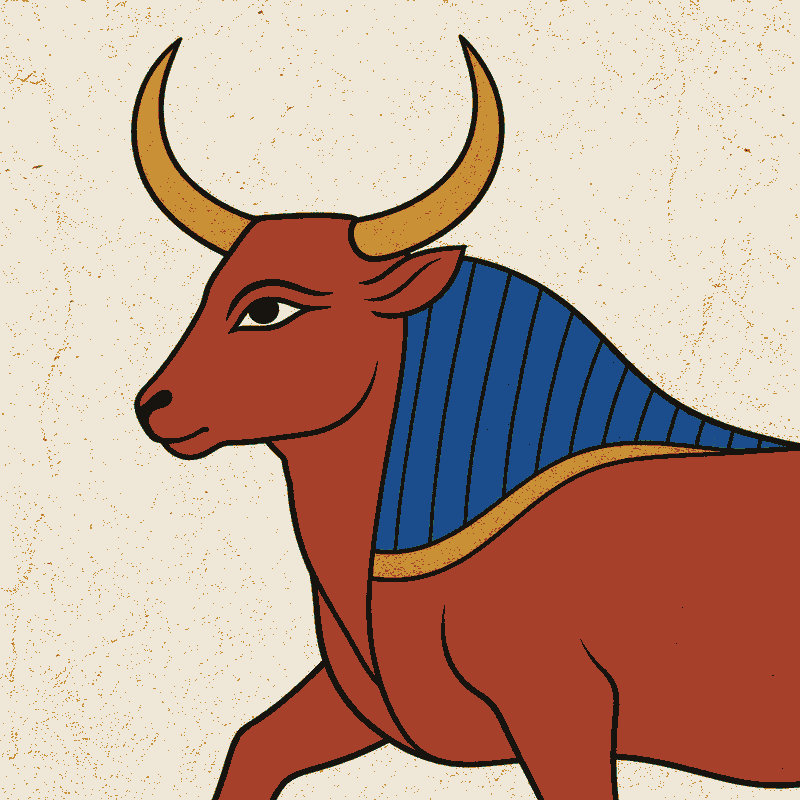
Bata
the god who kept his soul in a tree
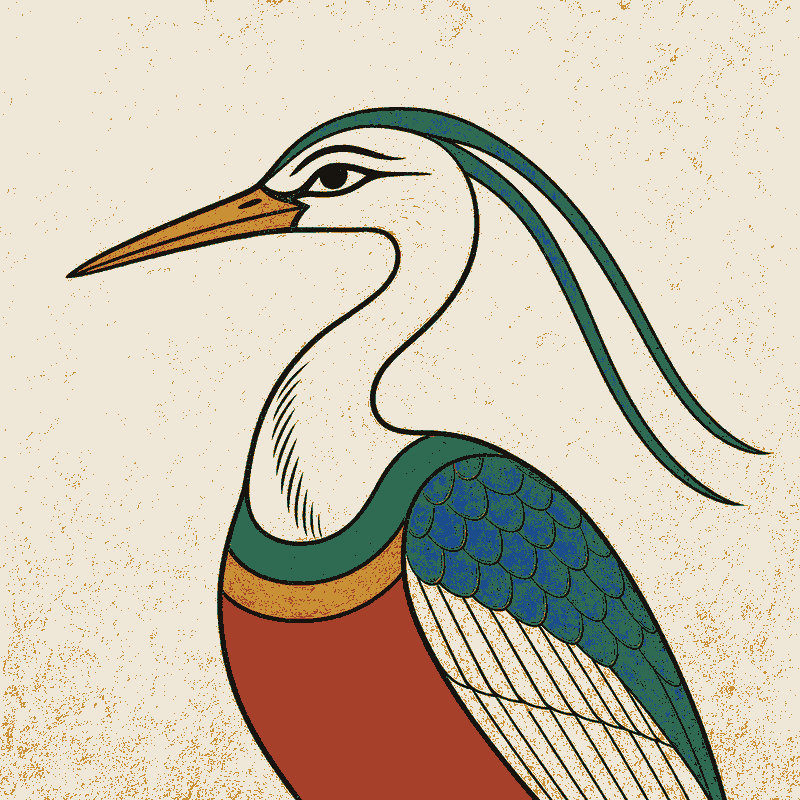
Bennu
the bird the Greeks got wrong
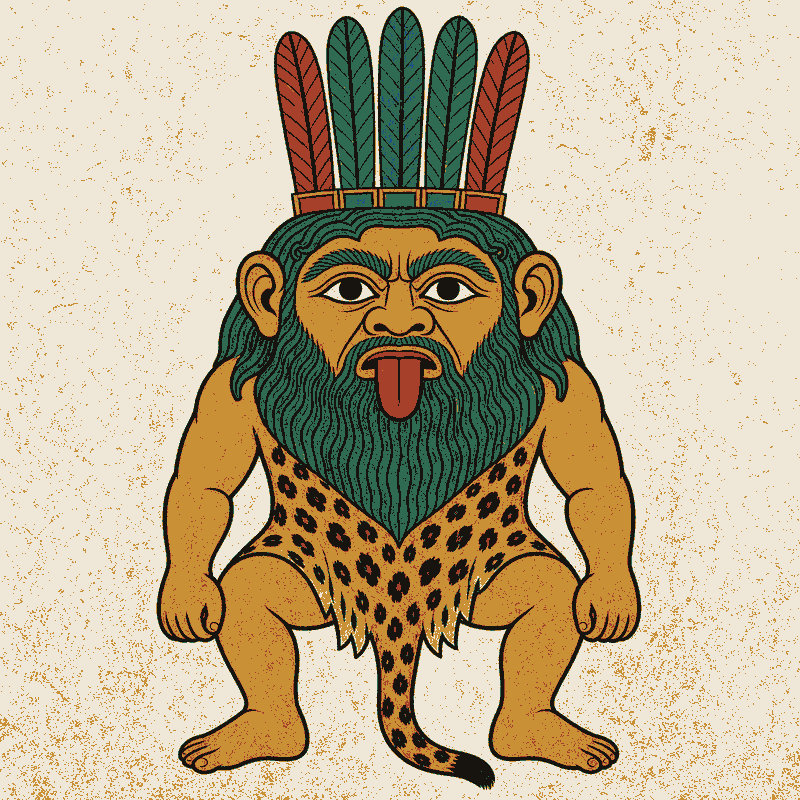
Bes
the god on the mirror handle
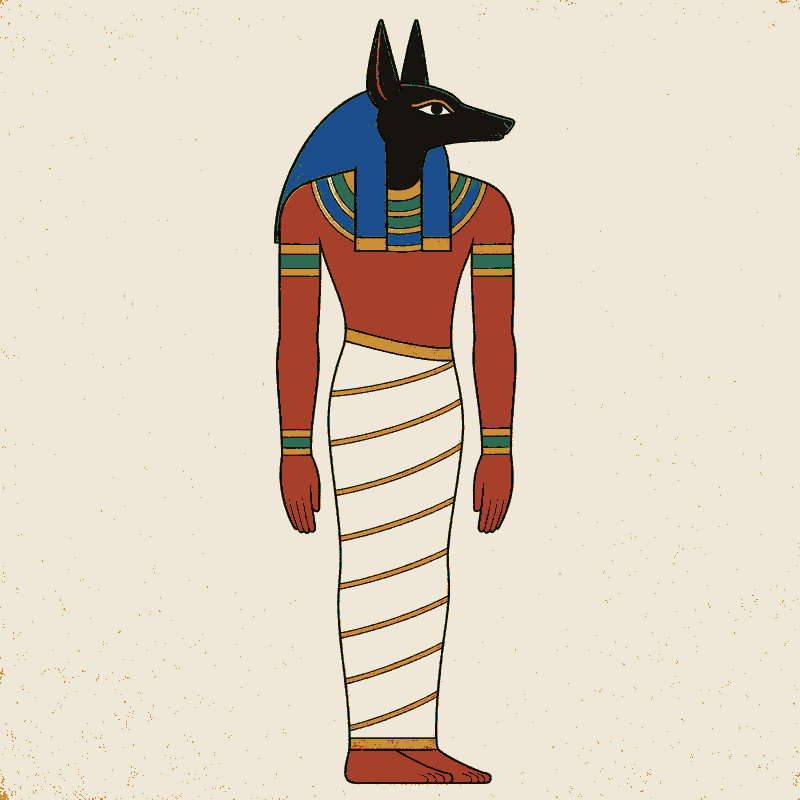
Duamutef
the jackal-headed one, east
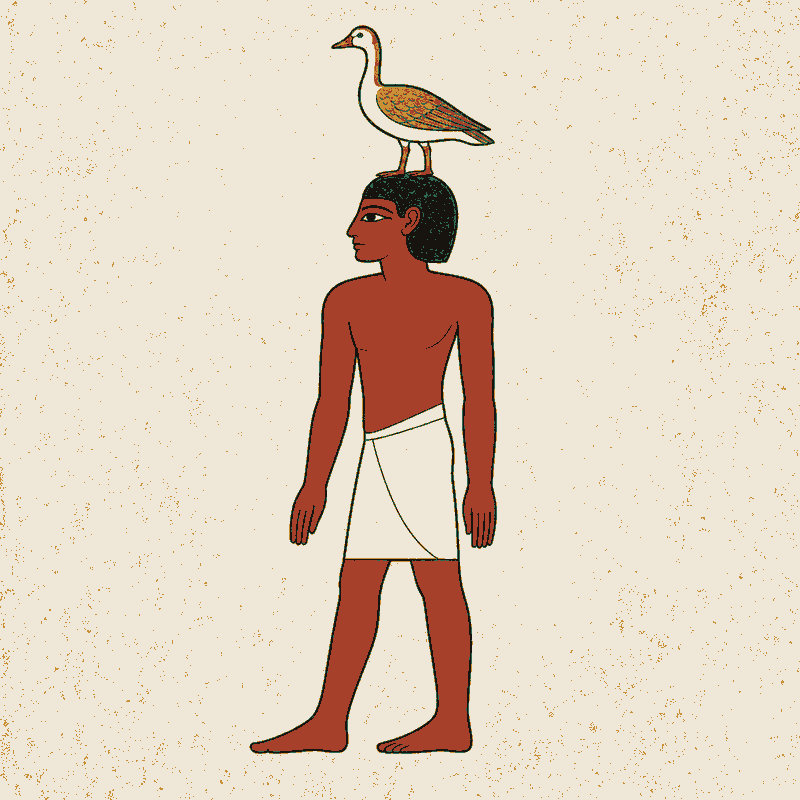
Geb
the earth, lying down
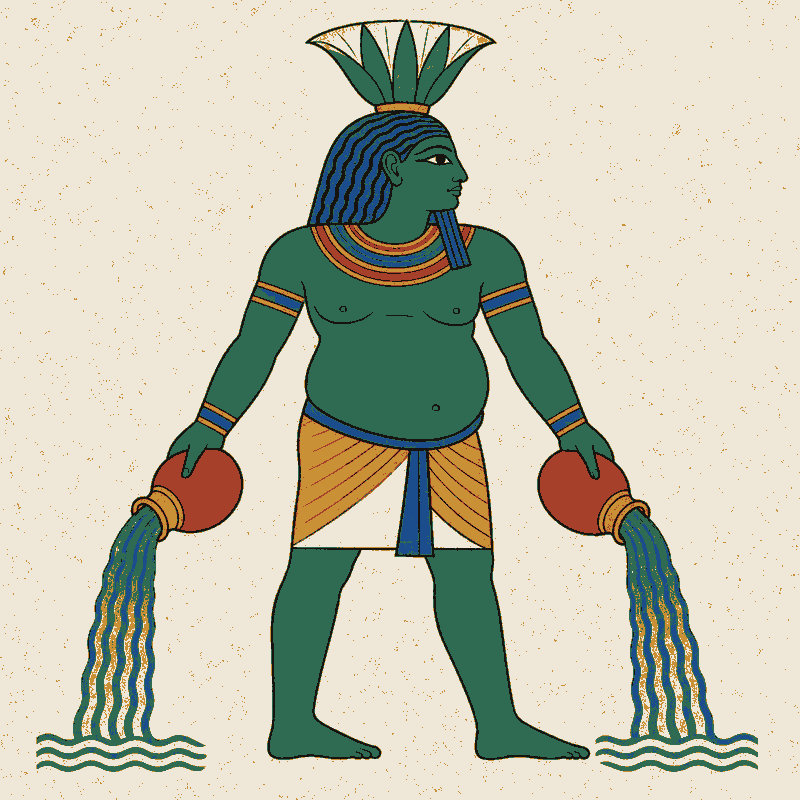
Hapi
the god who cannot be depicted
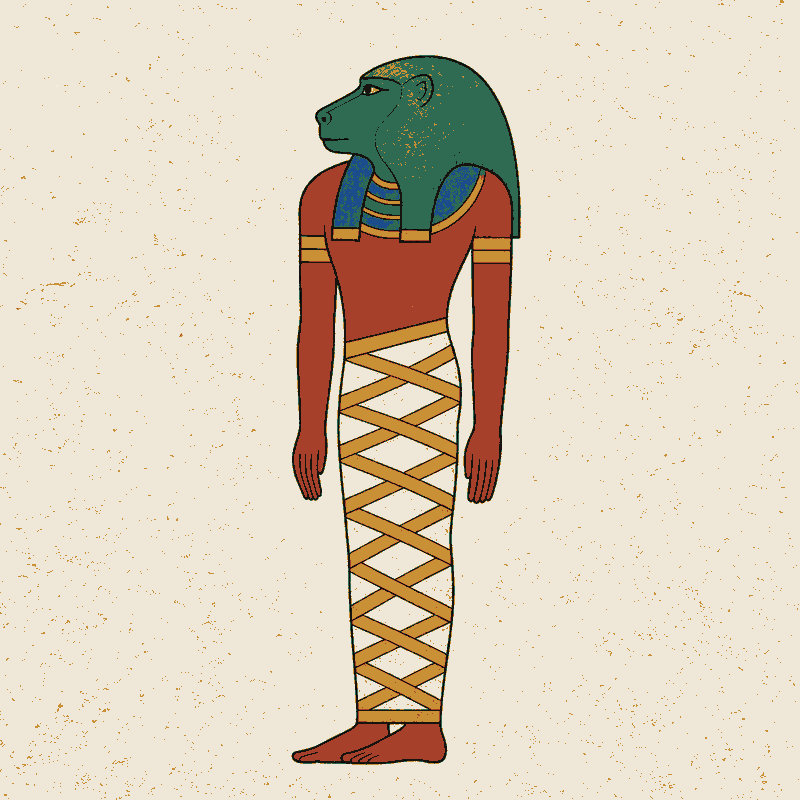
Hapy
the ape-headed one, north
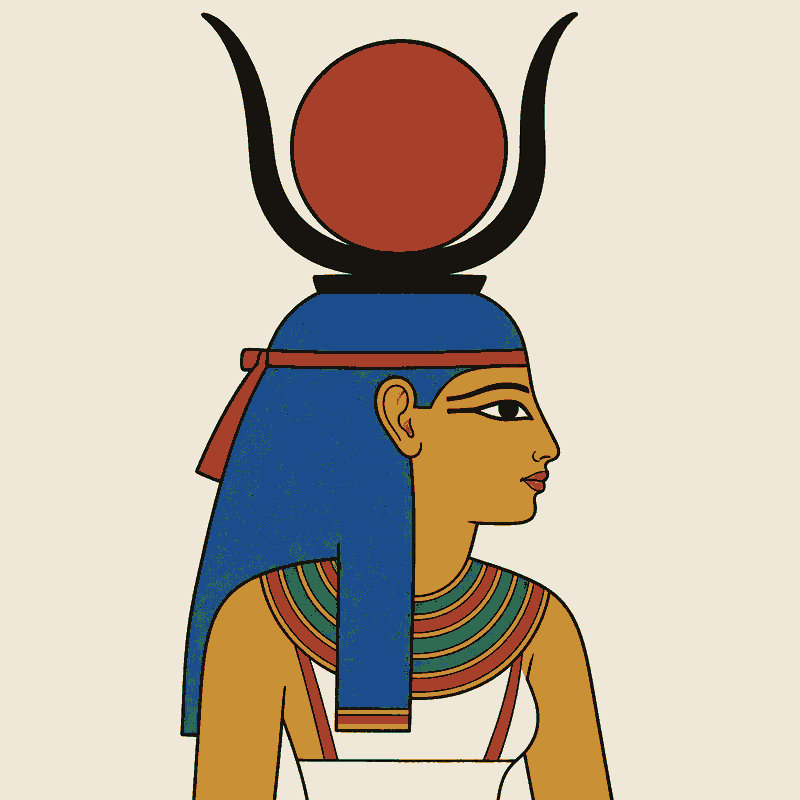
Hathor
house of Horus, lady of the sycamore
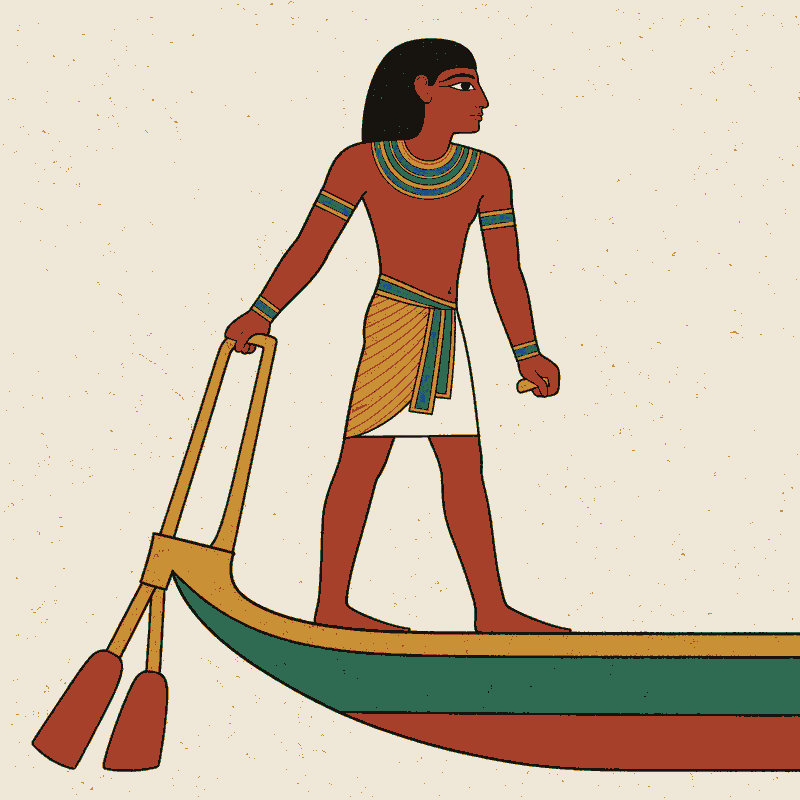
Heka
magic, at the tiller
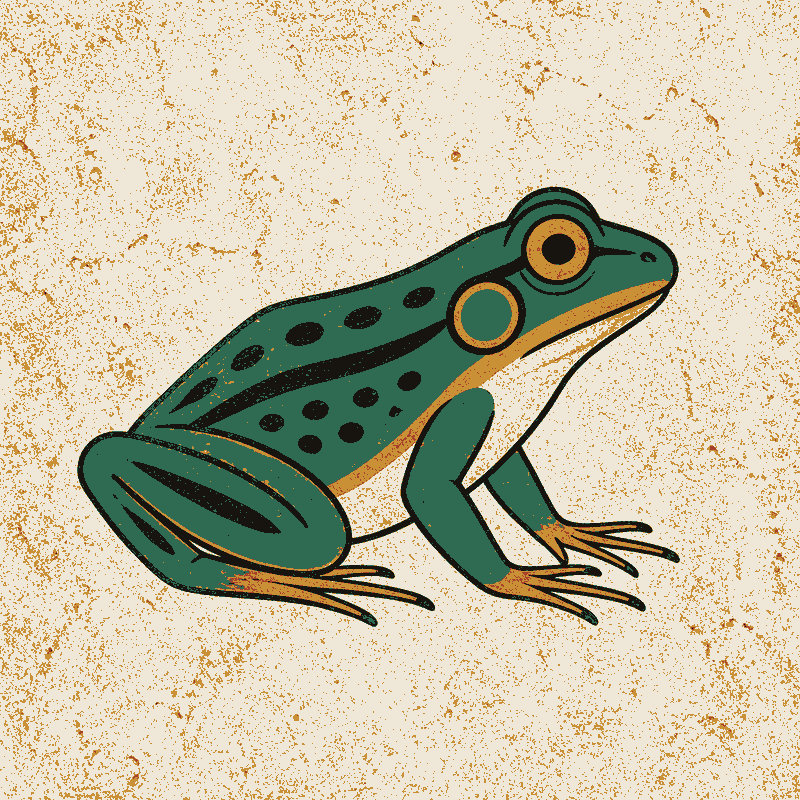
Heqet
the frog at the birth and at the bier
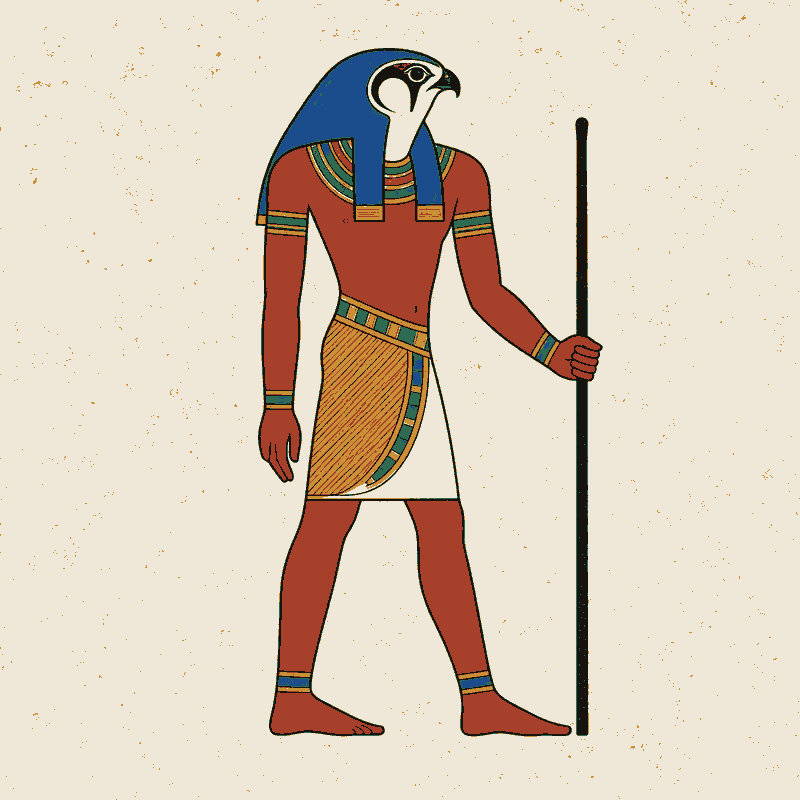
Heru-ur
Horus the Elder, who is not the son of Isis
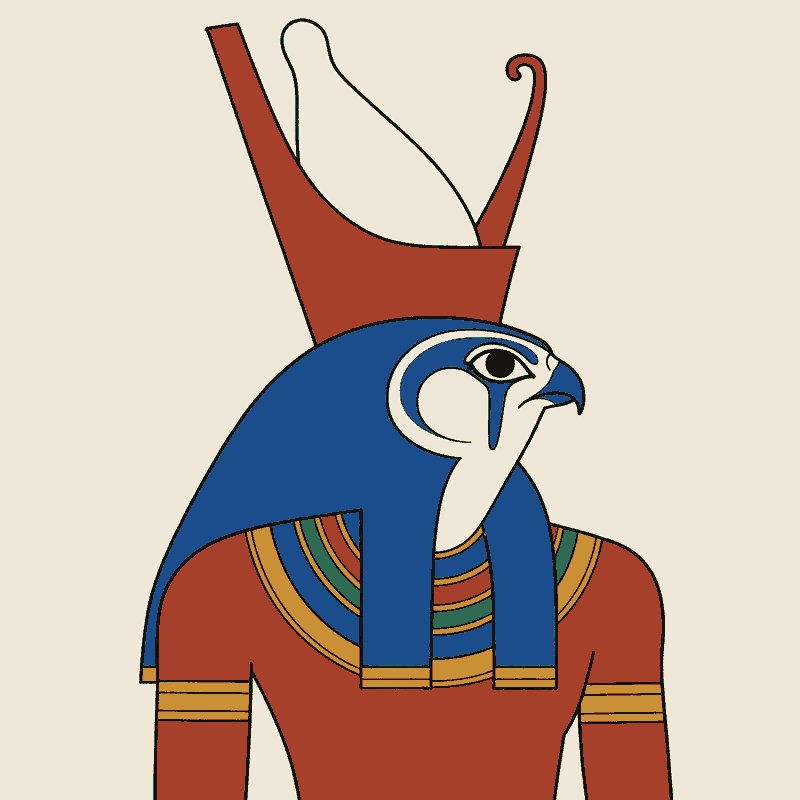
Horus
the falcon, the living king
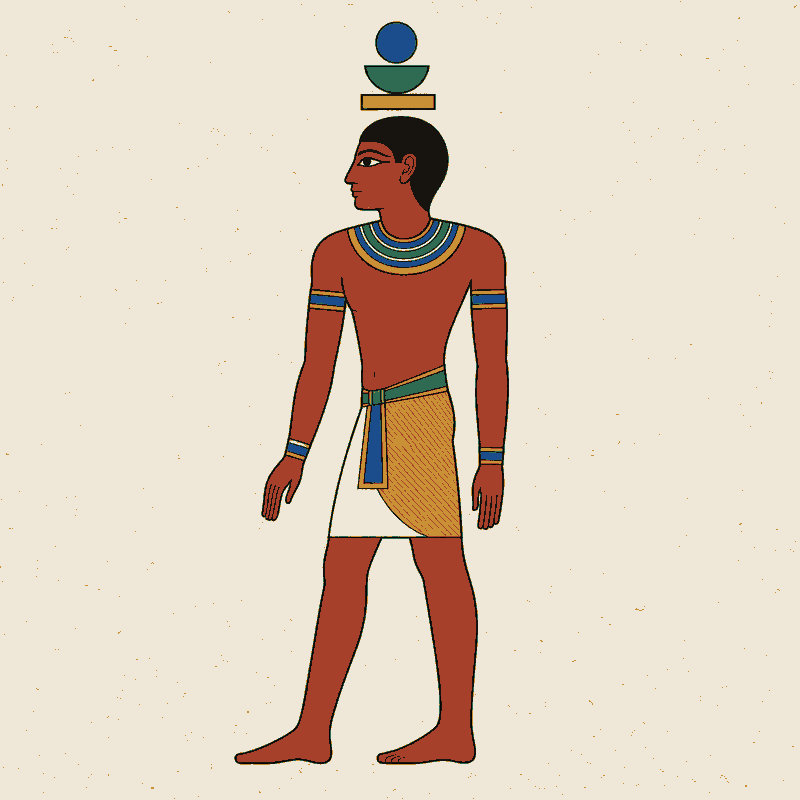
Hu
authoritative utterance, and the food of the gods
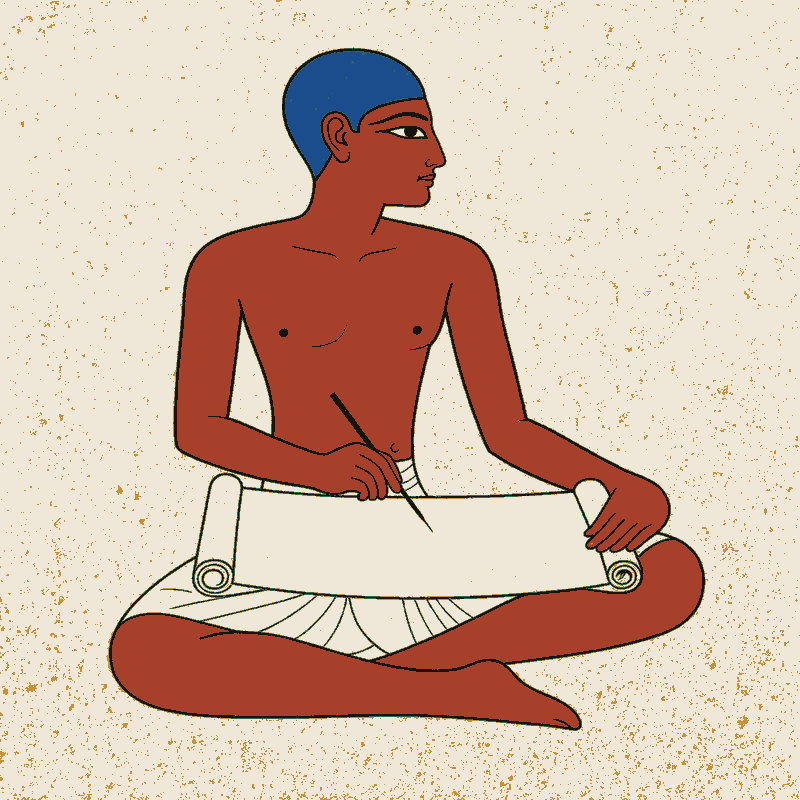
Imhotep
the man who finished the climb
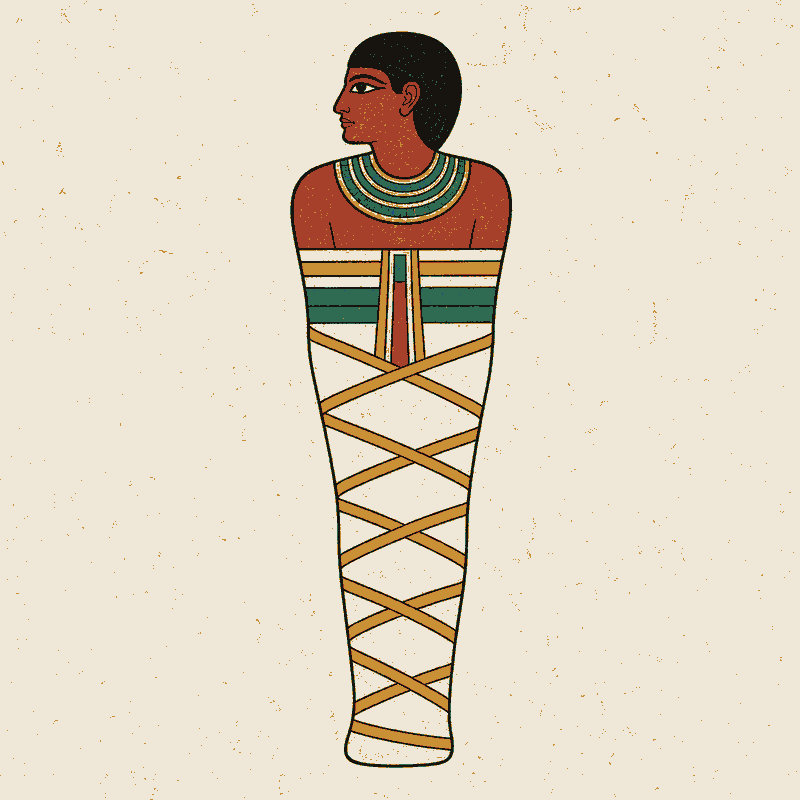
Imsety
the human-headed one, south
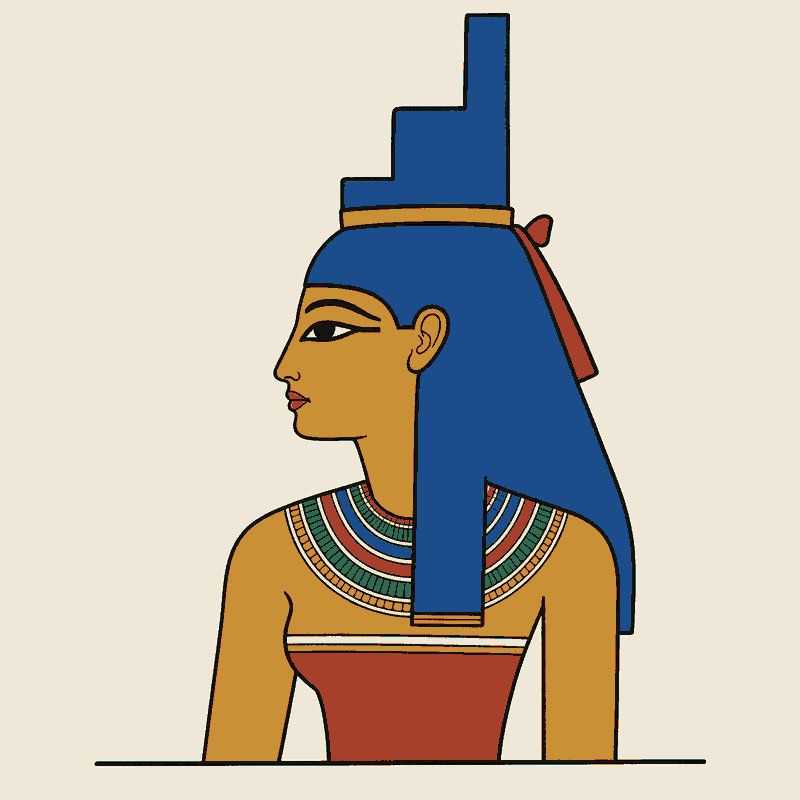
Isis
great of magic, mother of Horus
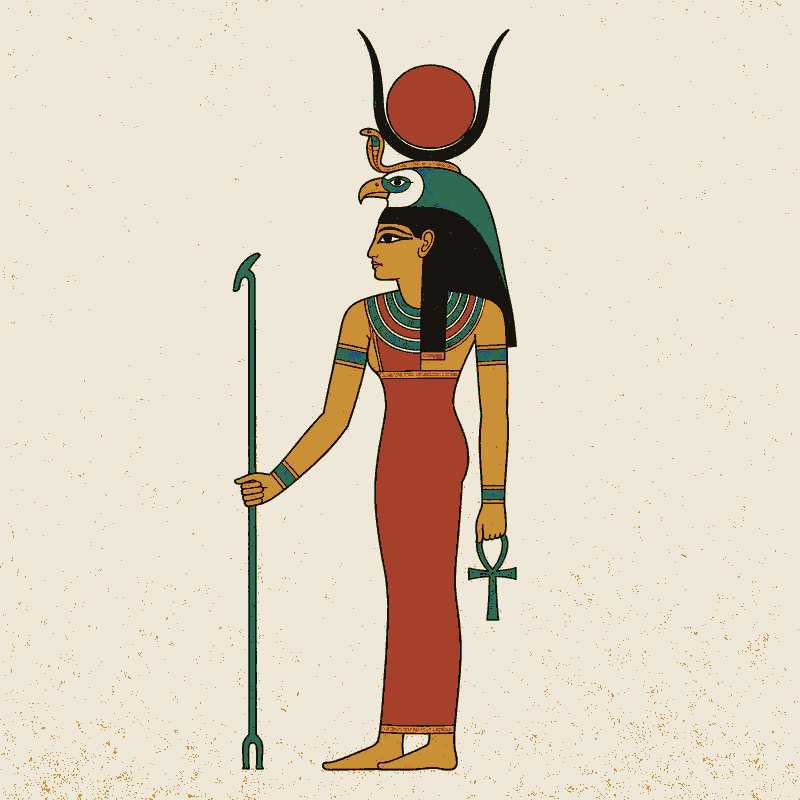
Iusaaset
mother, wife and daughter of the same god
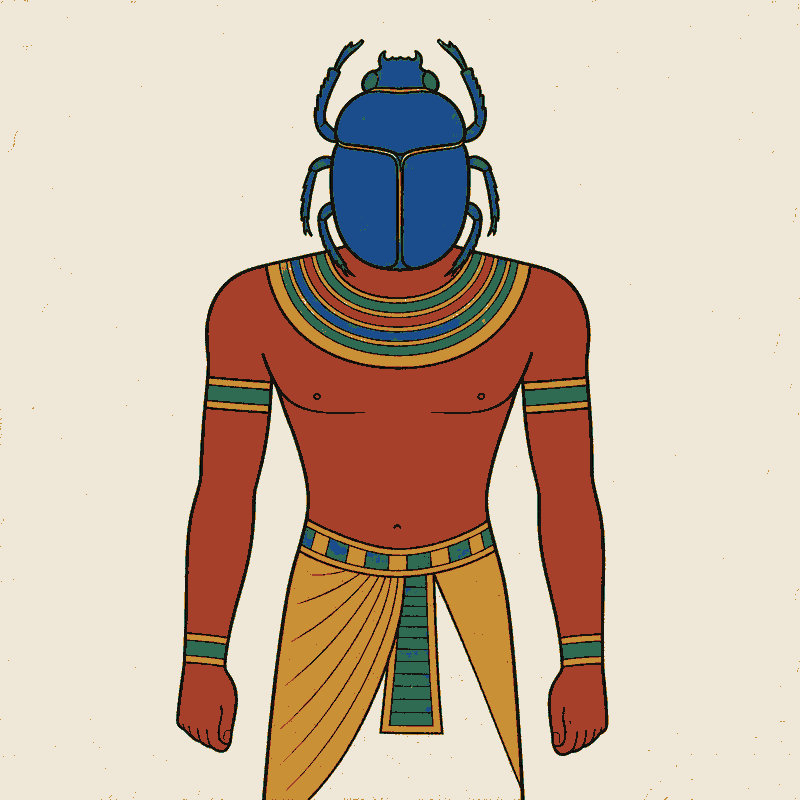
Khepri
the one who comes into being
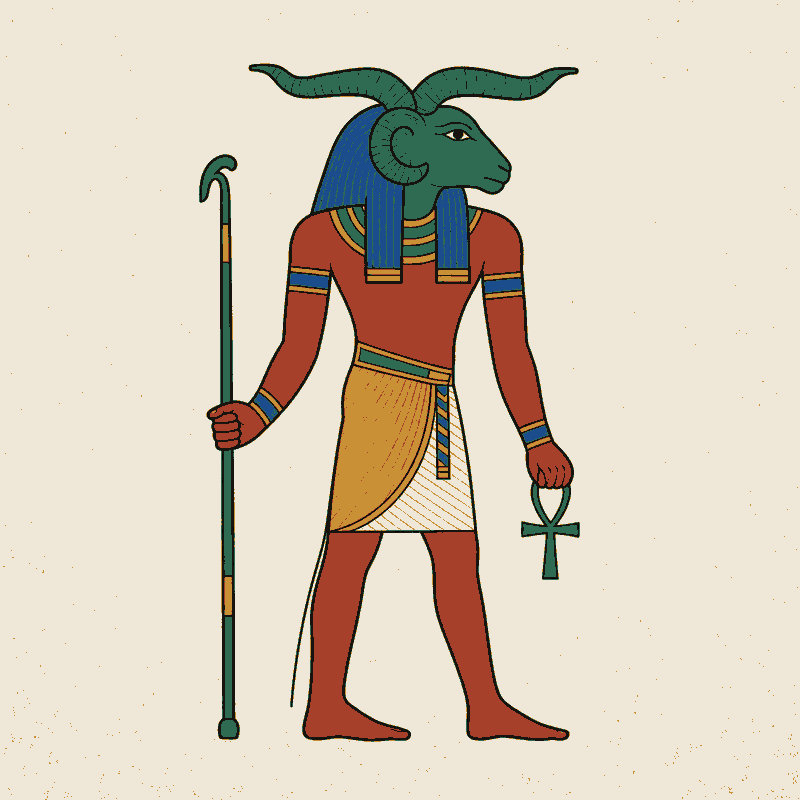
Khnum
the potter who makes people
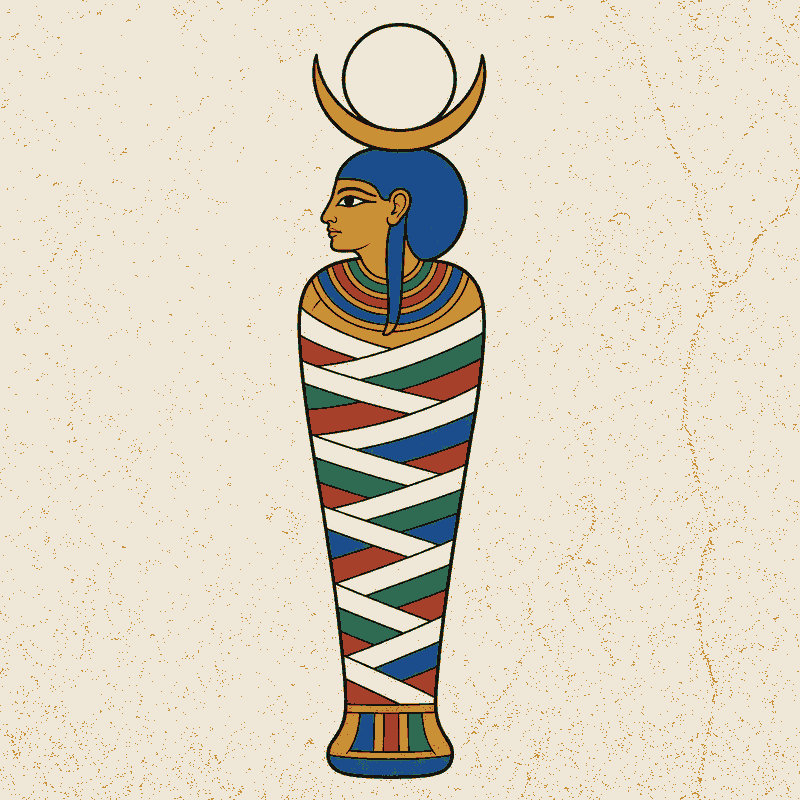
Khonsu
the traveller, and the slaughterer
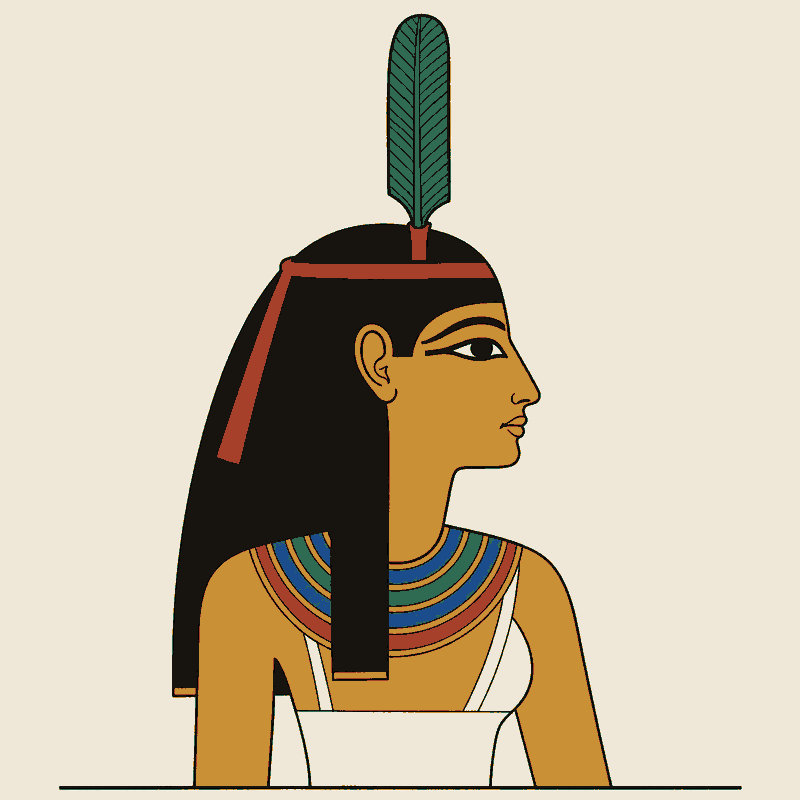
Maat
truth, order, and the way things ought to run
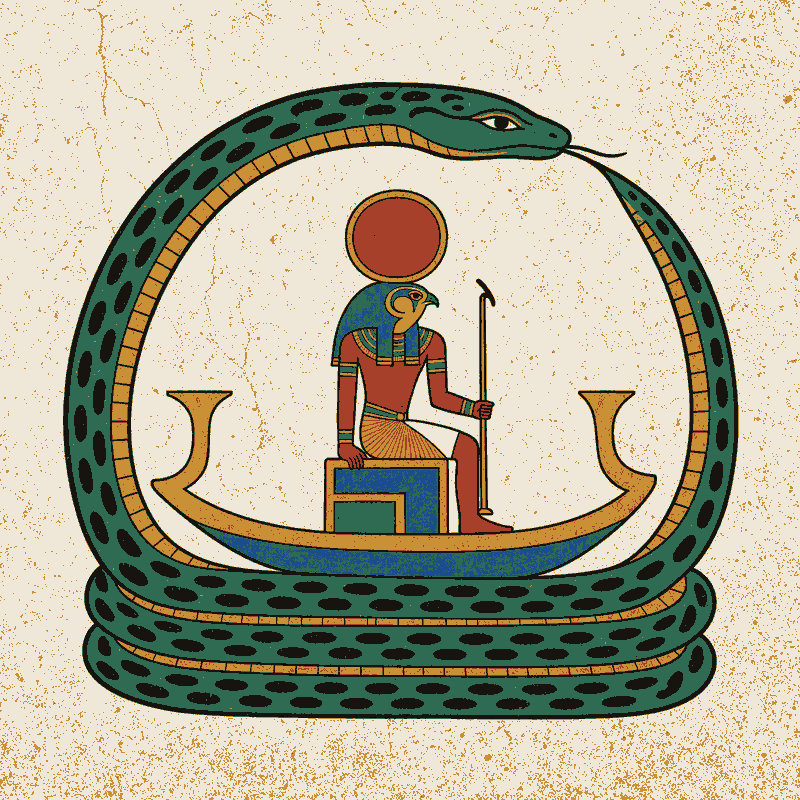
Mehen
the serpent wrapped around the god
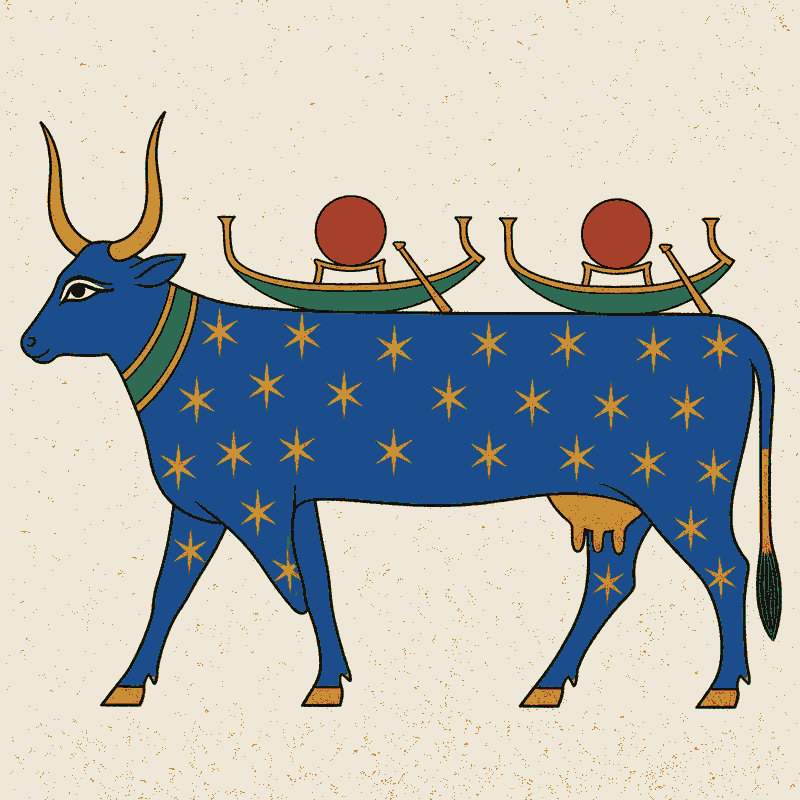
Mehet-Weret
the Great Flood, the cow the sun sails along
Meskhenet
the birth-brick at the weighing of the heart
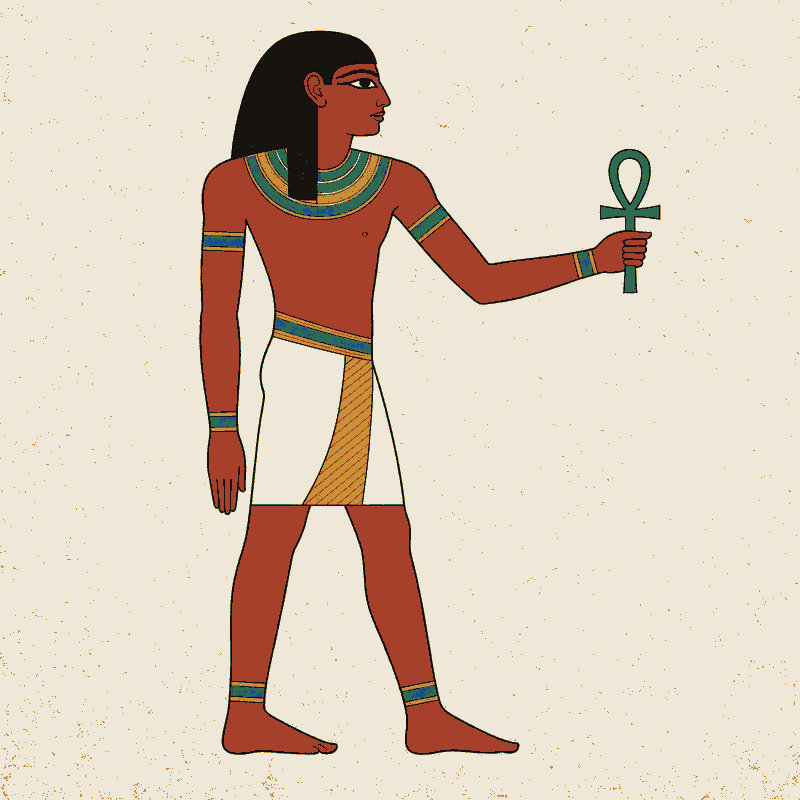
Montu
the destroying heat, absorbed by Thebes
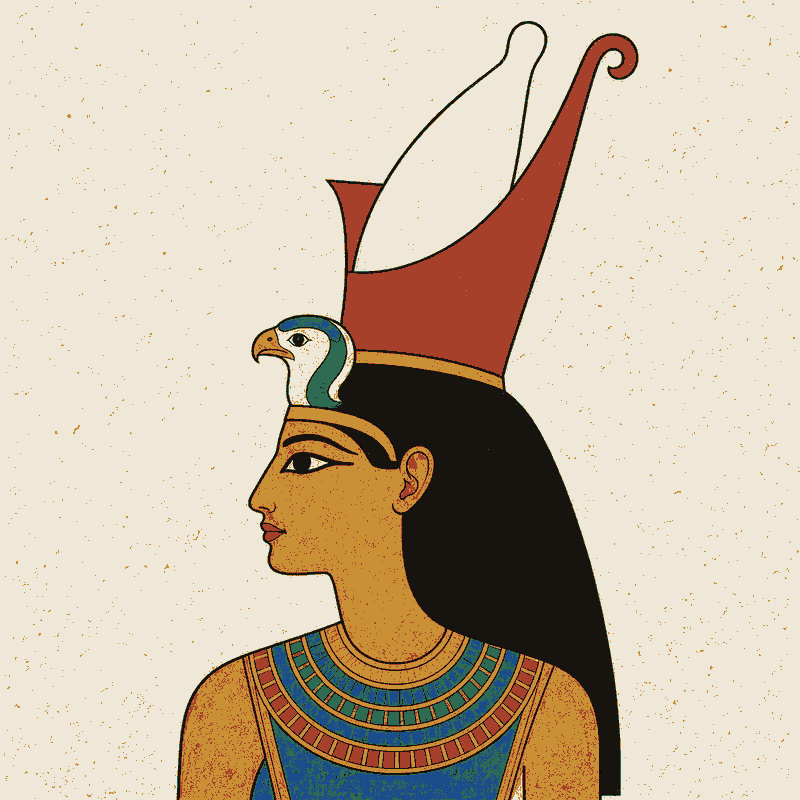
Mut
the mother who was never born
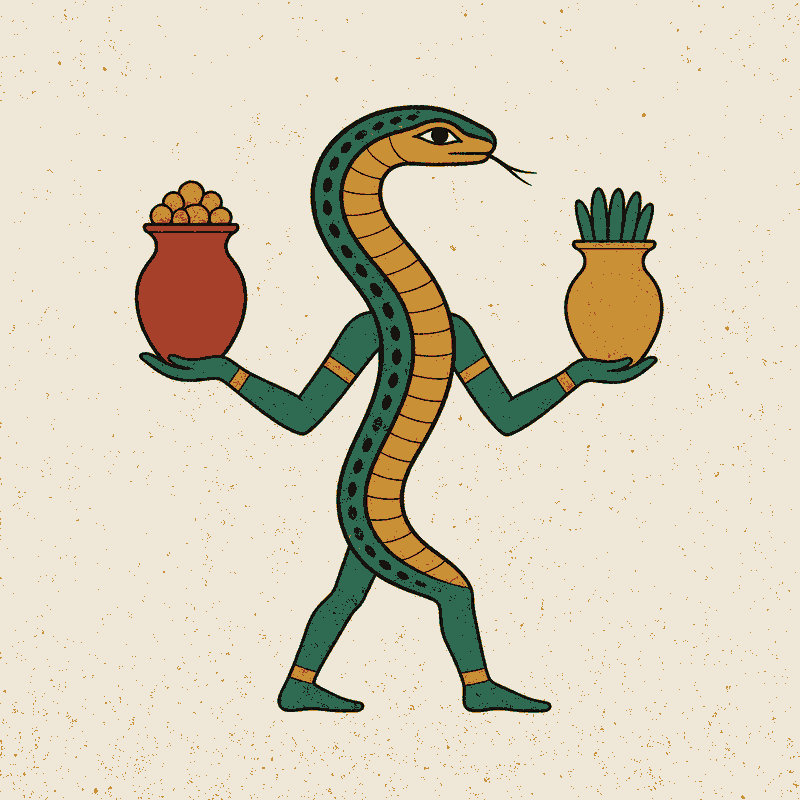
Nehebkau
the serpent who feeds the dead
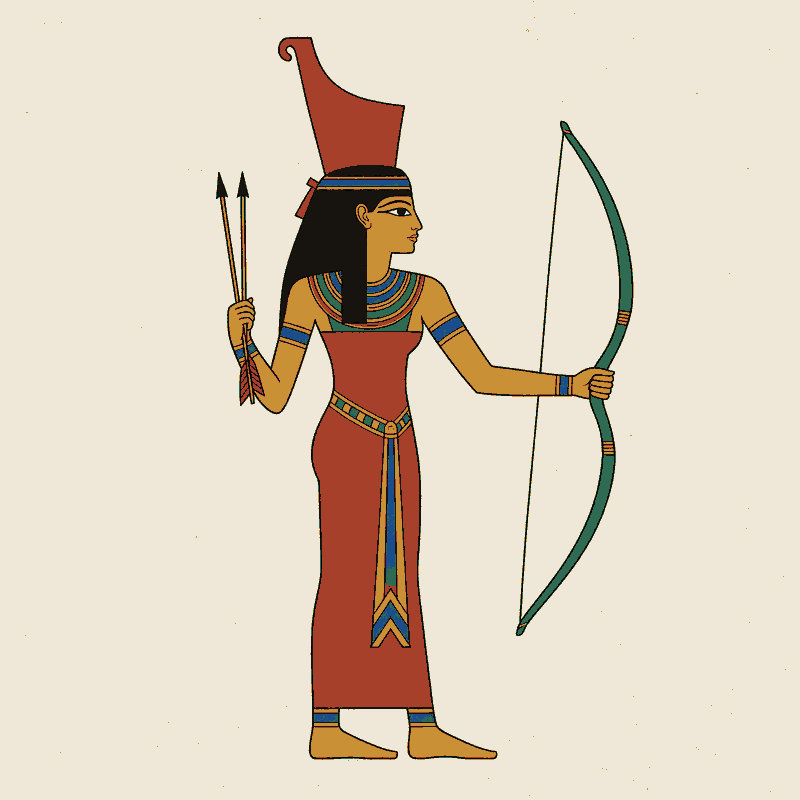
Neith
the goddess older than the country
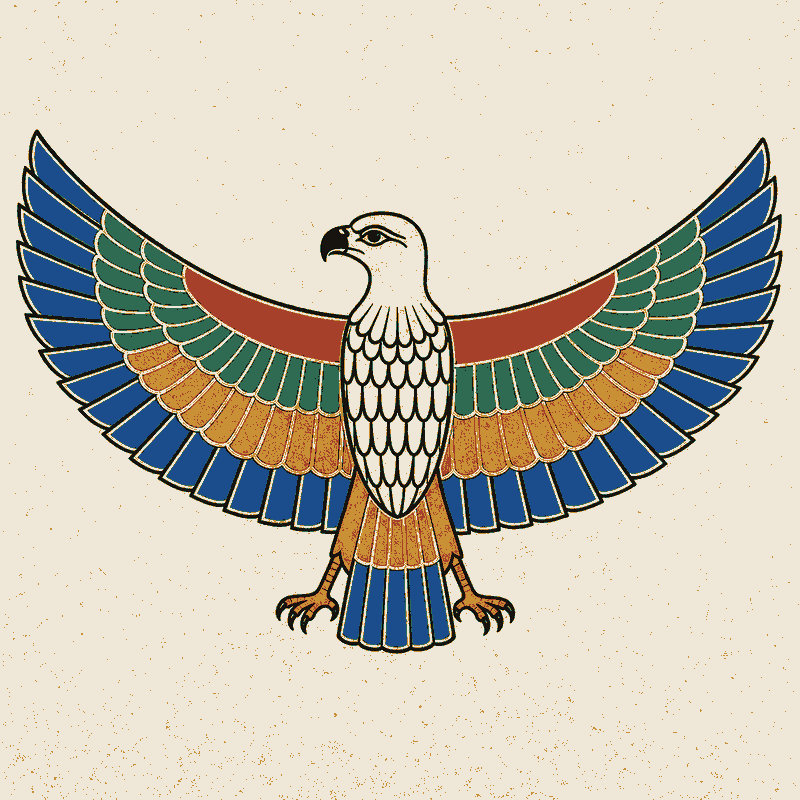
Nekhbet
the vulture of the south
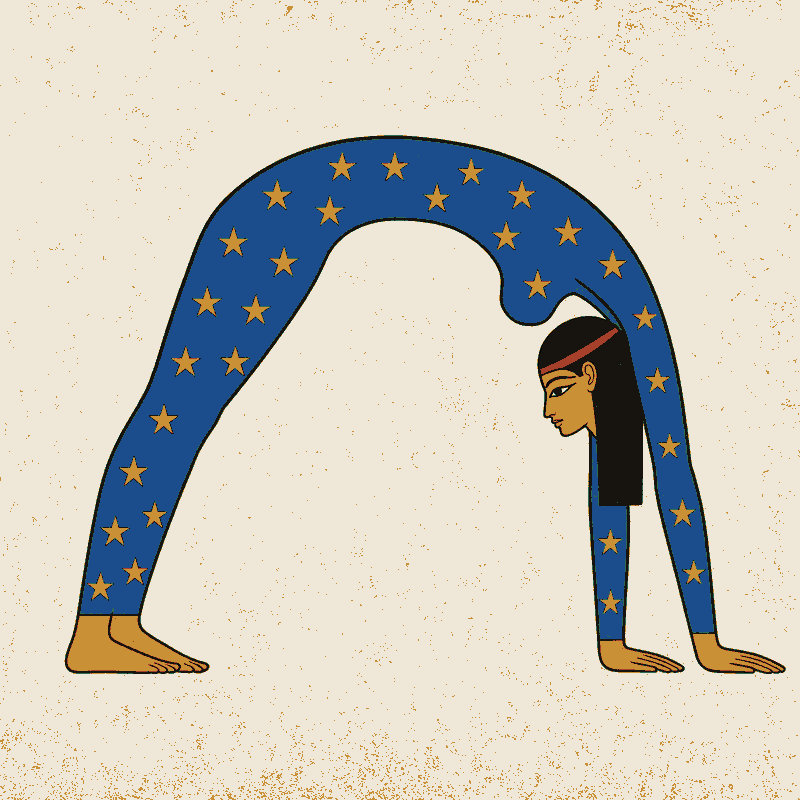
Nut
the sky, arched over the world
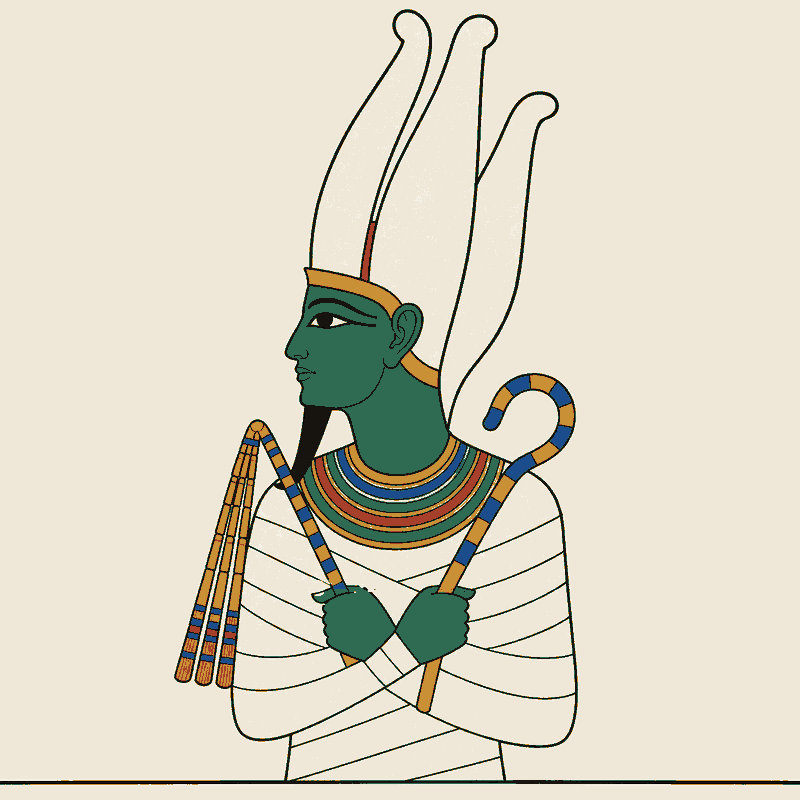
Osiris
lord of the dead and foremost of the westerners
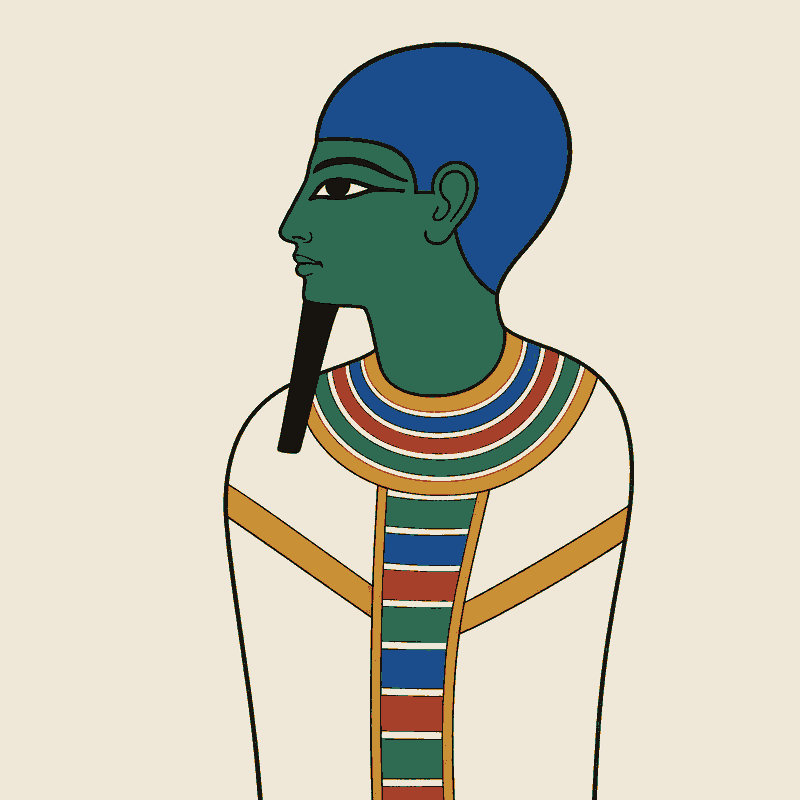
Ptah
the craftsman who made the world by speaking it
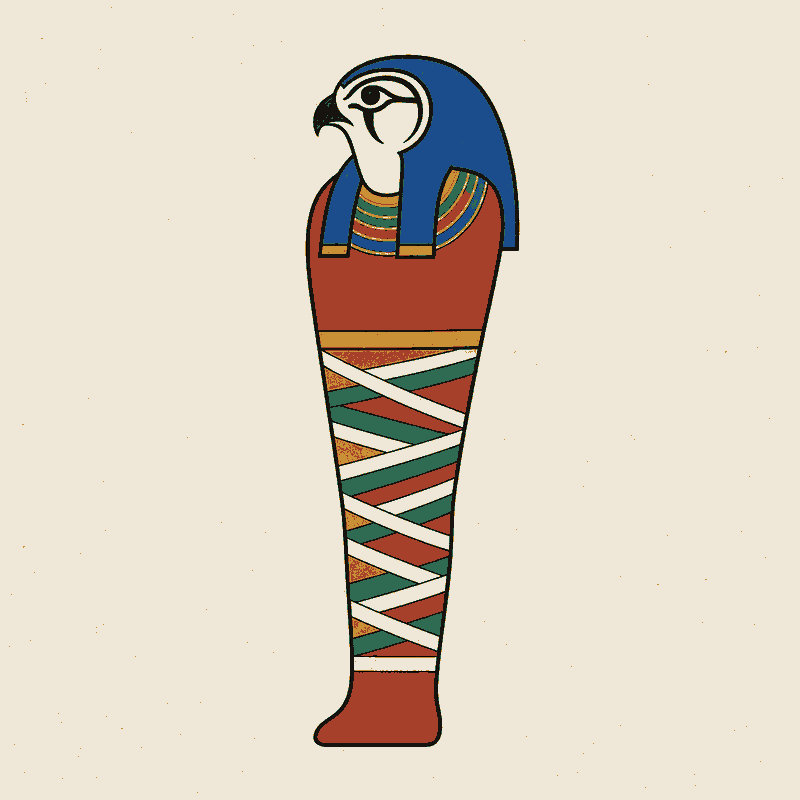
Qebehsenuef
the hawk-headed one, west
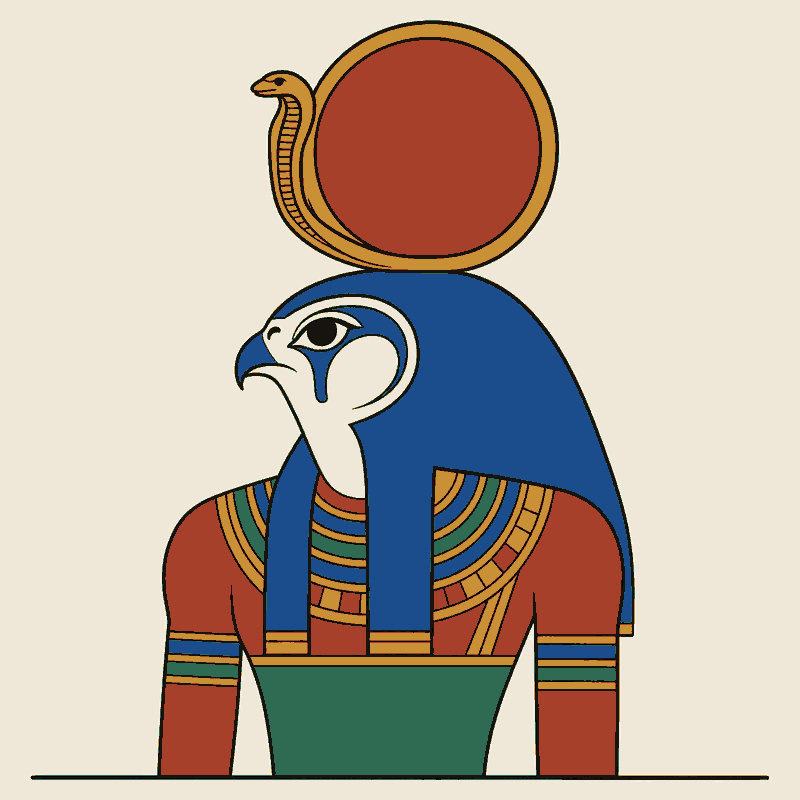
Ra
the sun, and the journey it makes
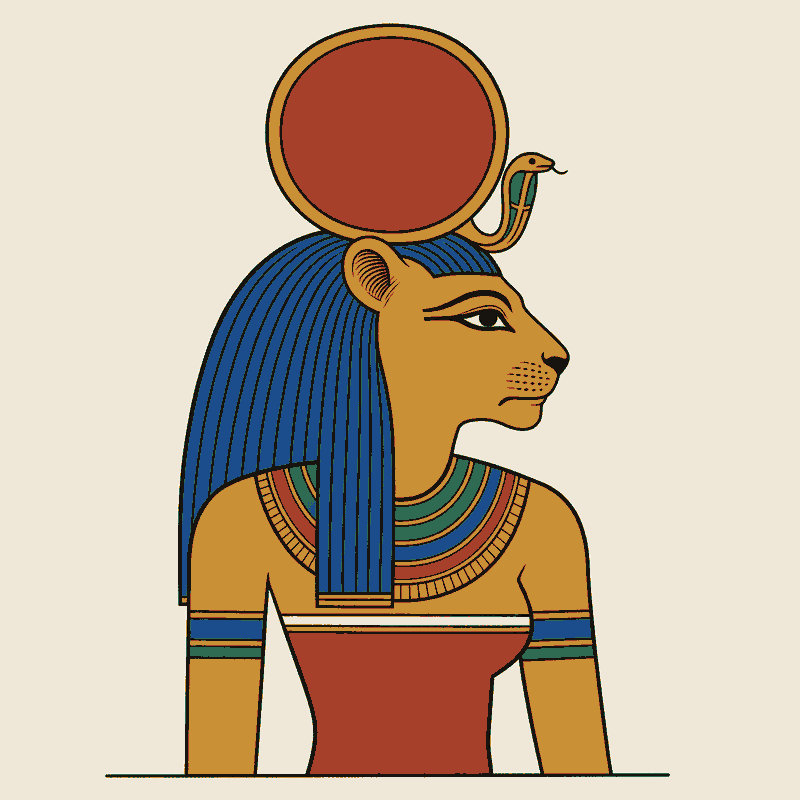
Sekhmet
the powerful one, lady of plague and of healing
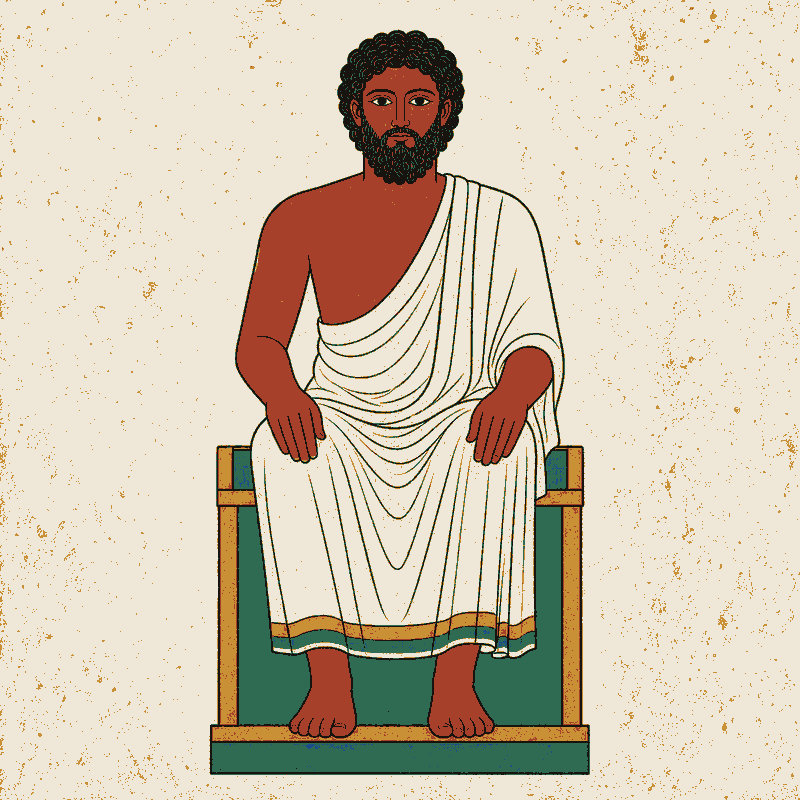
Serapis
the god a king invented for two audiences
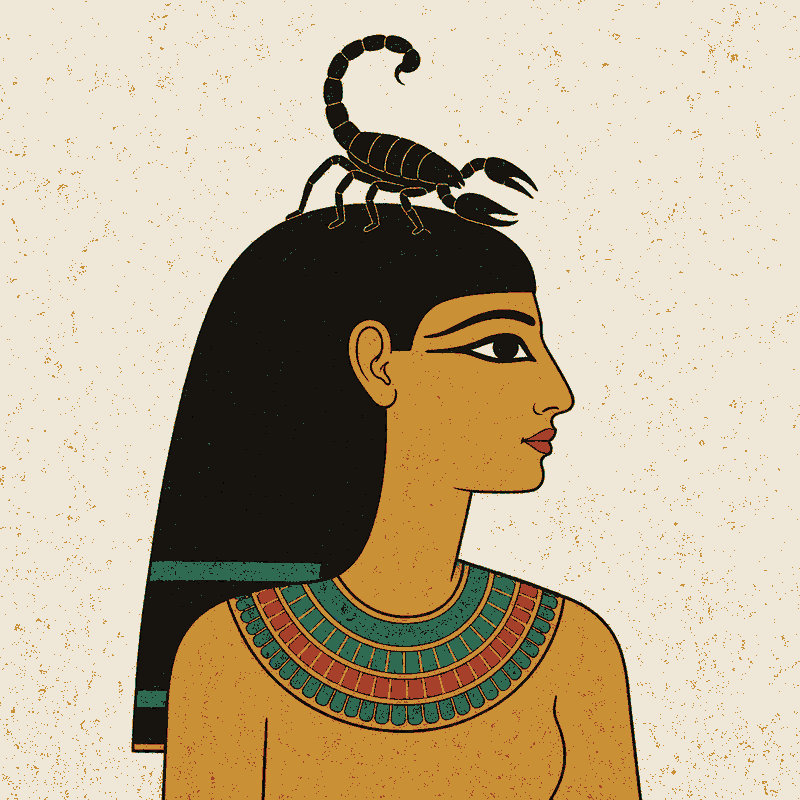
Serqet
the scorpion who lets you breathe
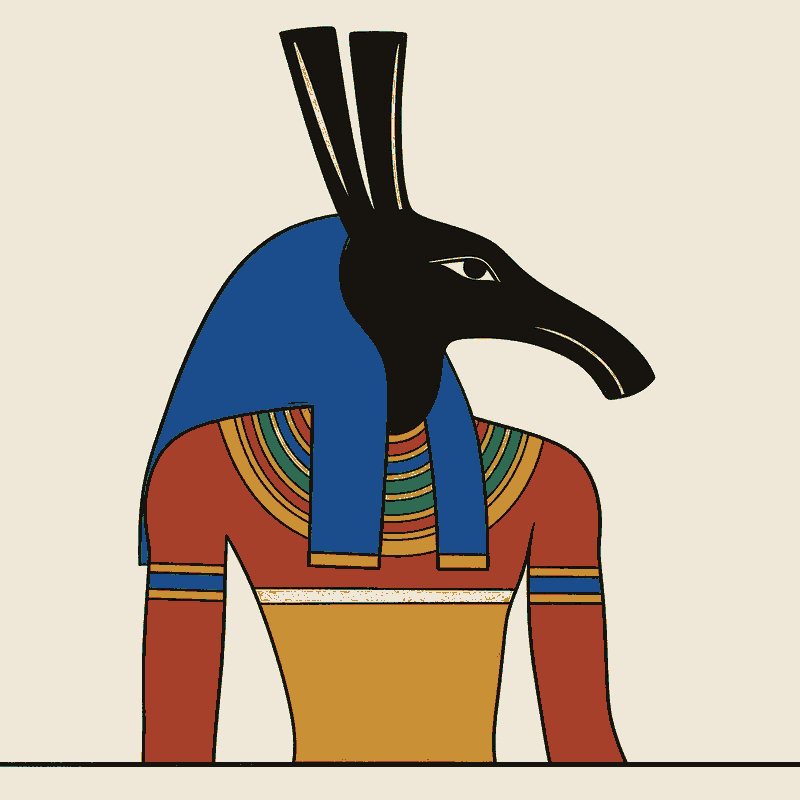
Set
lord of the desert, storm, and disorder
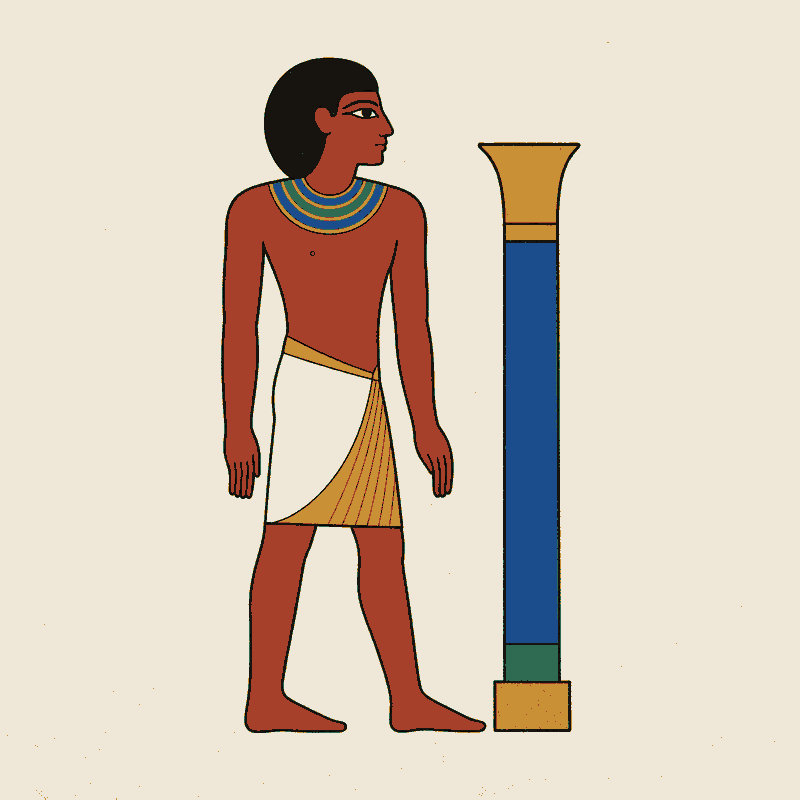
Shai
what was decreed for you
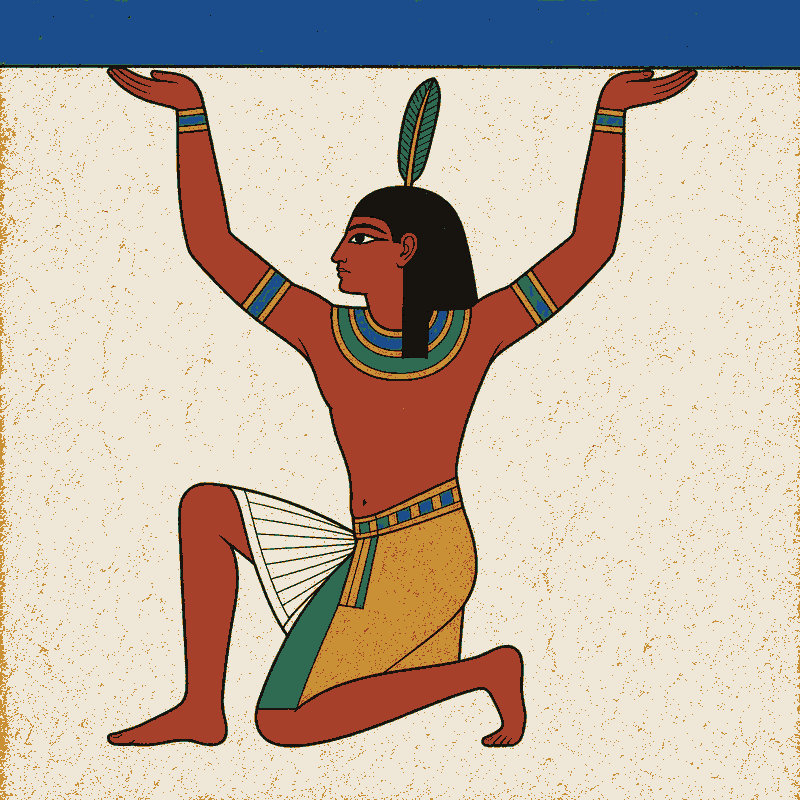
Shu
the space that holds the sky up
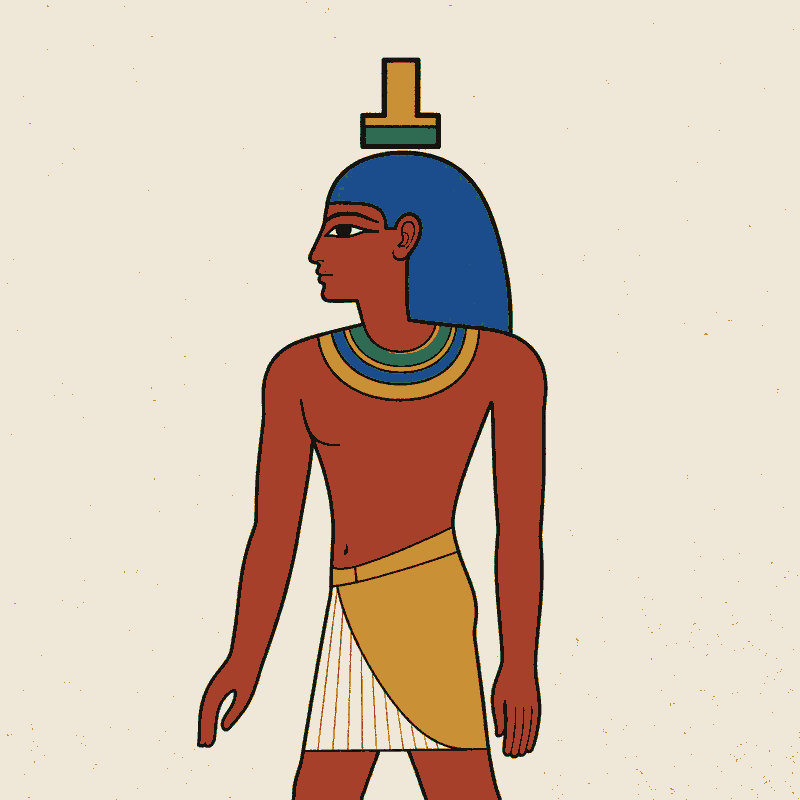
Sia
the god who is understanding
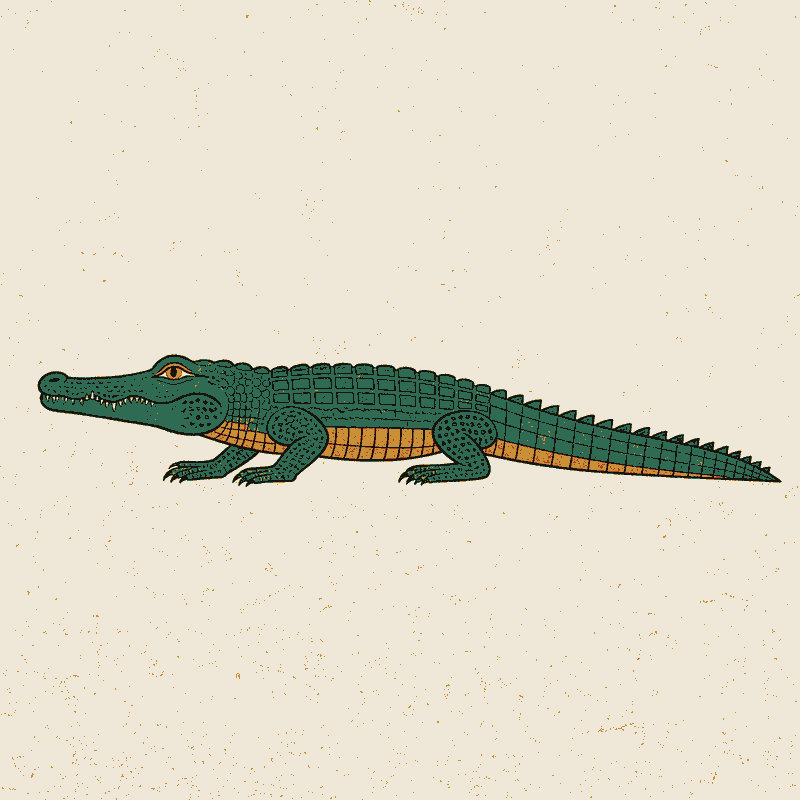
Sobek
the crocodile in the water
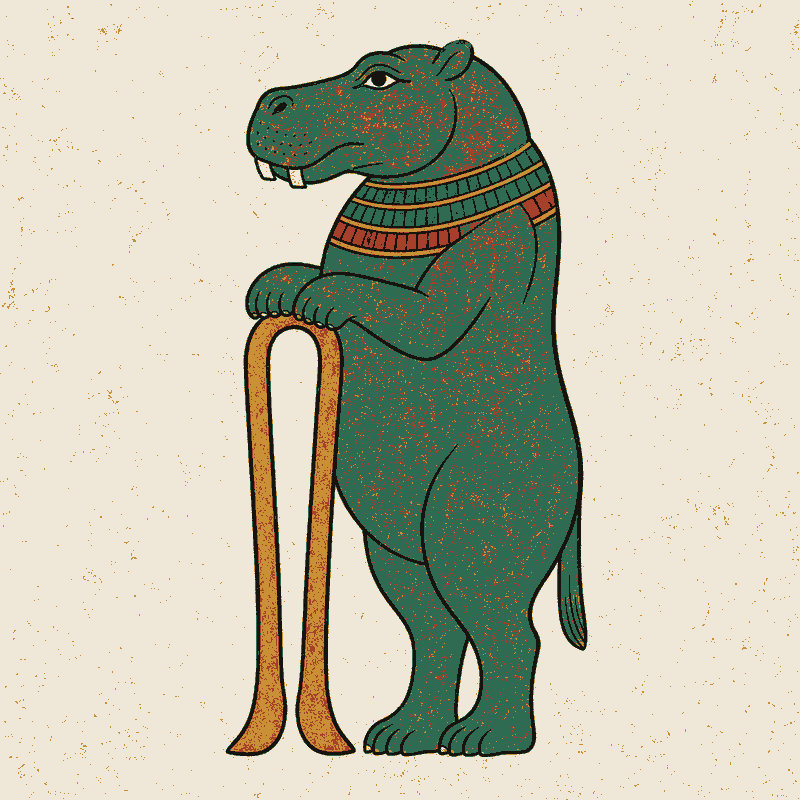
Taweret
the great one, in the shape of a hippopotamus
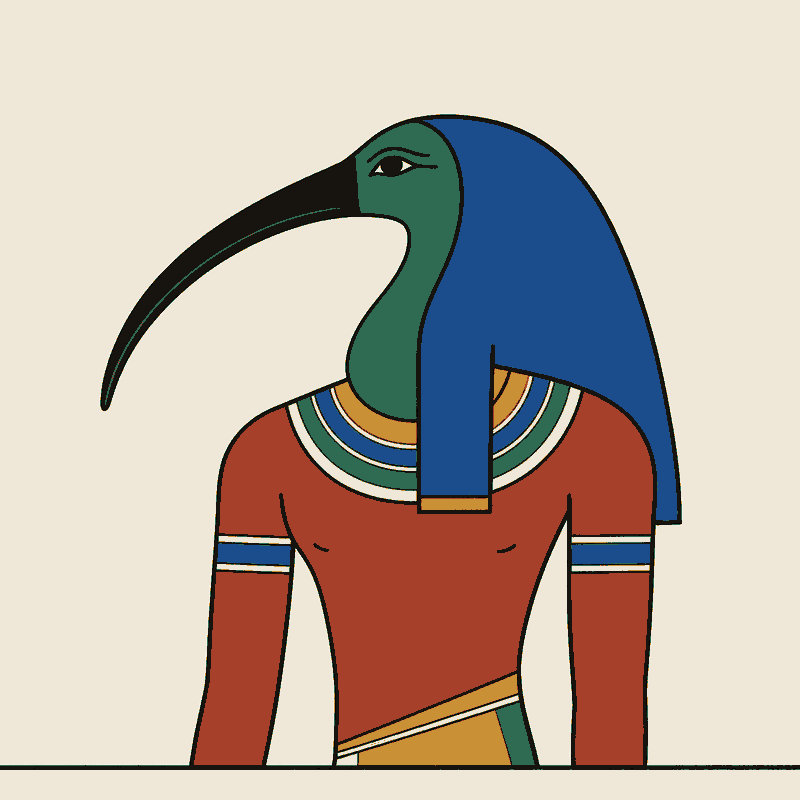
Thoth
reckoner, scribe, and keeper of the record
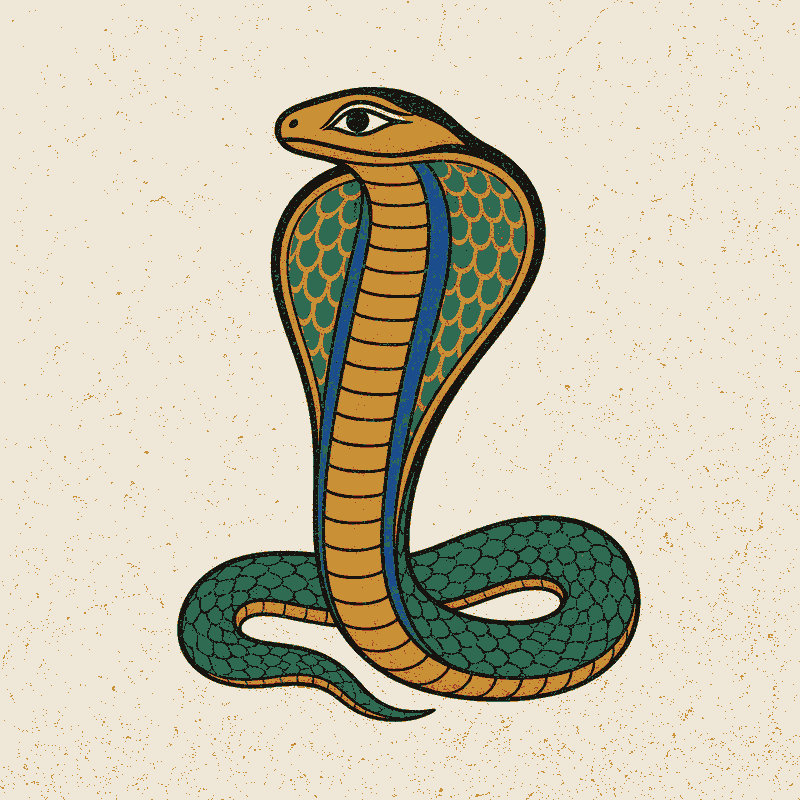
Wadjet
the cobra on the crown
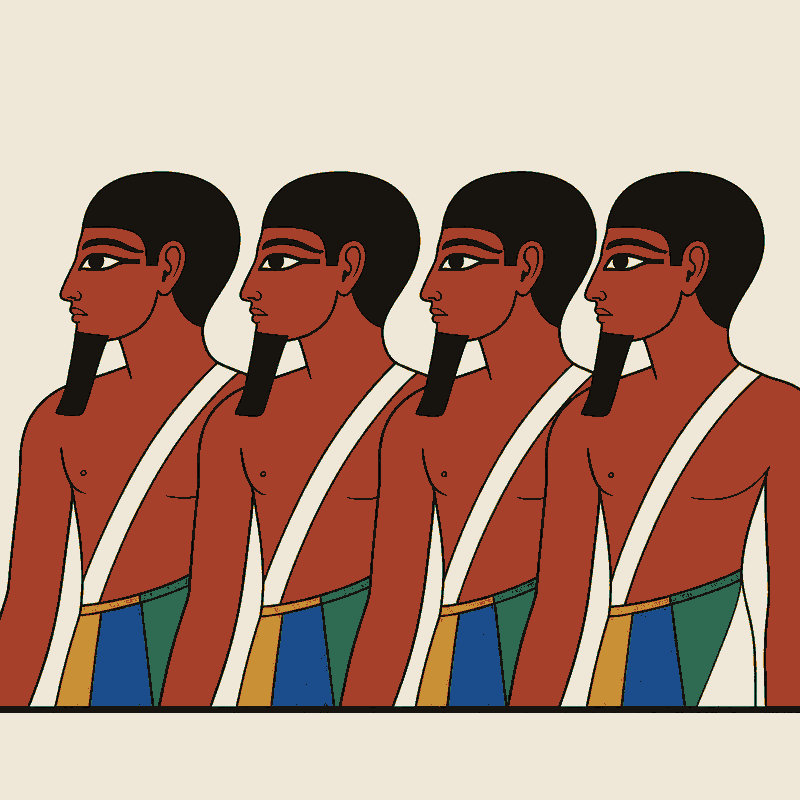
Akebiu
the wailers
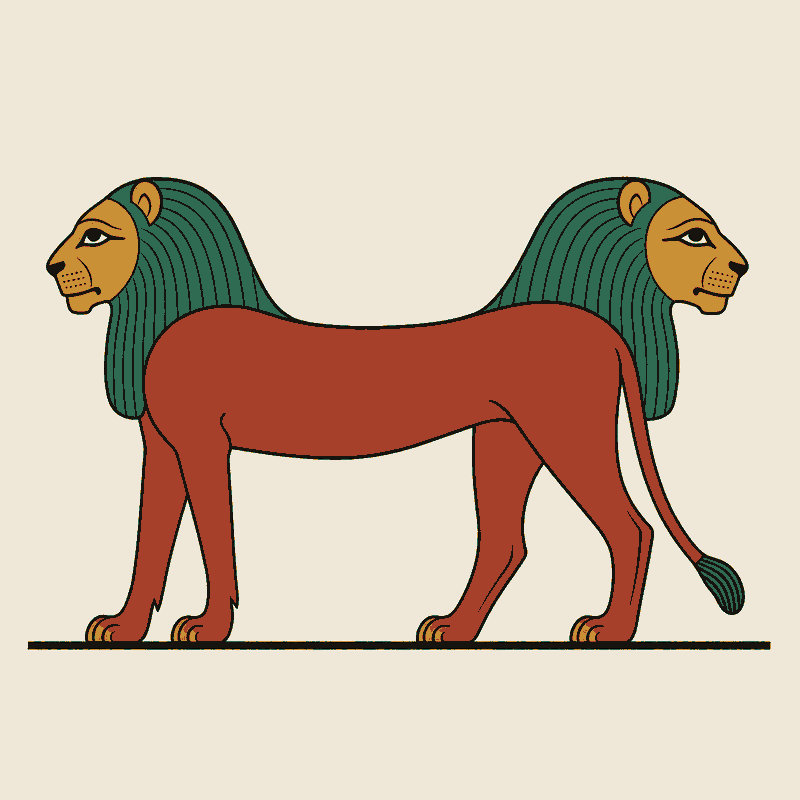
Aker
the earth that has bones
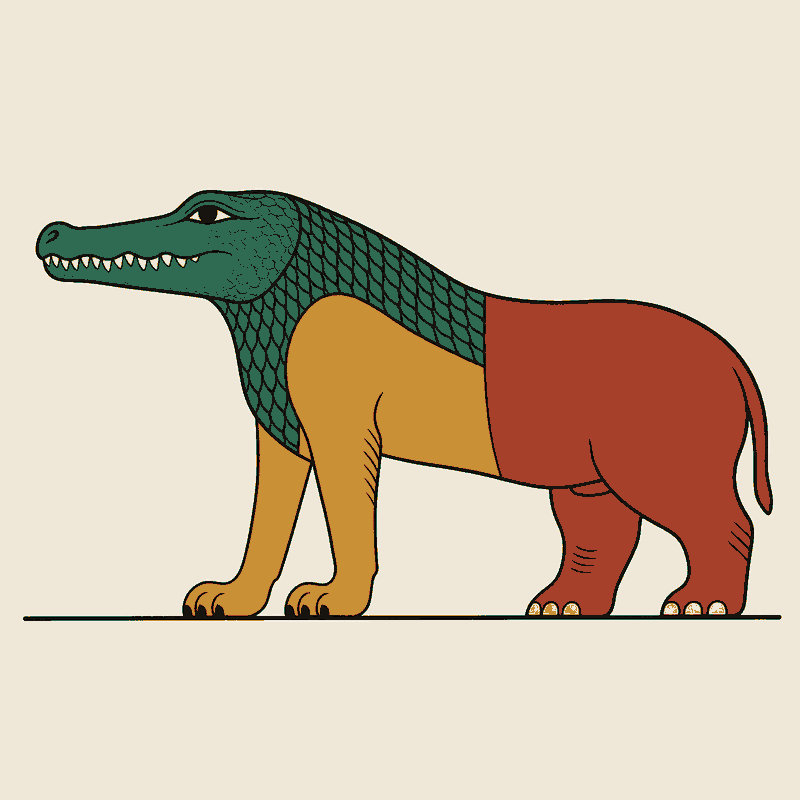
Ammit
devourer of the dead
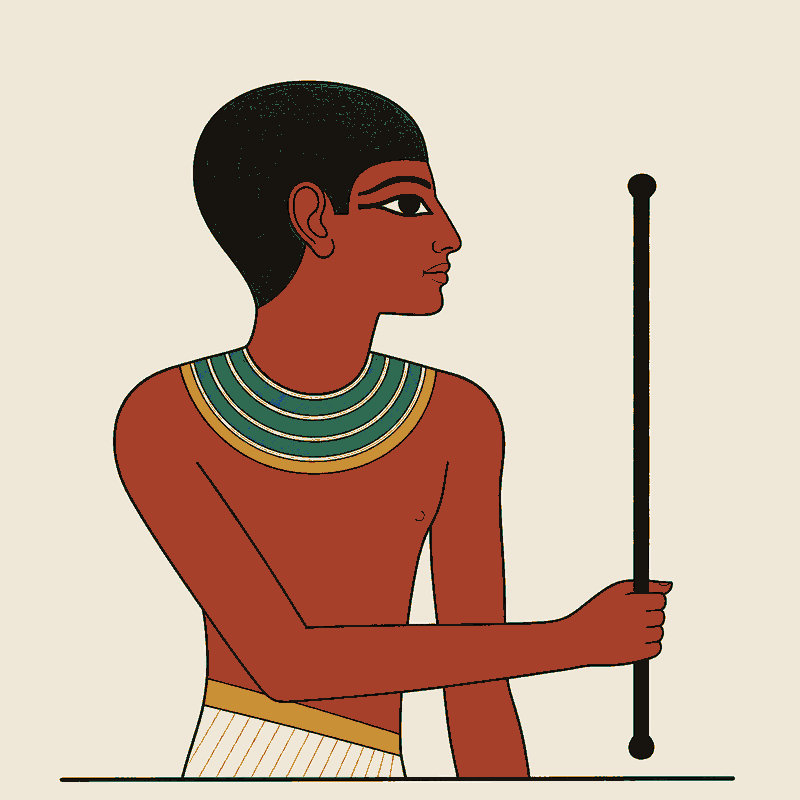
An-hetep
second of the four who provide food
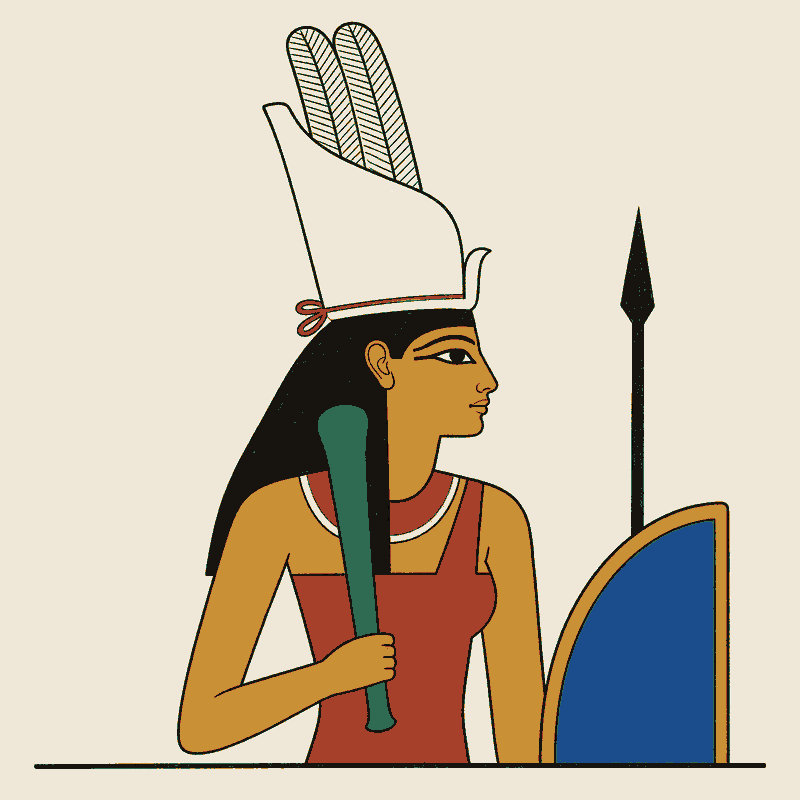
Anat
the war goddess who conceives but does not bear
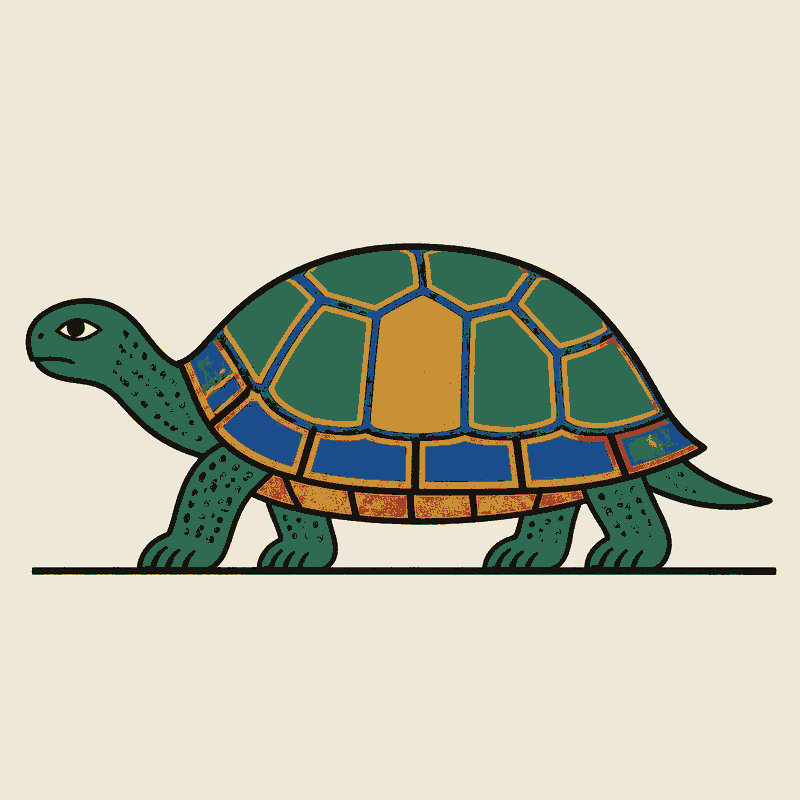
Apesh
the tortoise, and the five words said at every door
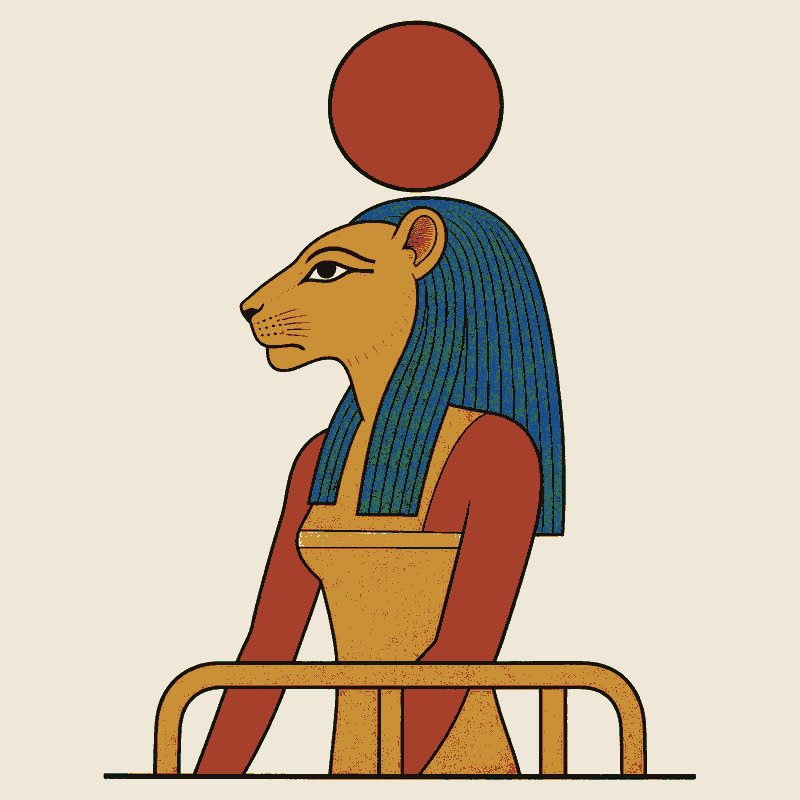
Astarte
mistress of horses, lady of the chariot
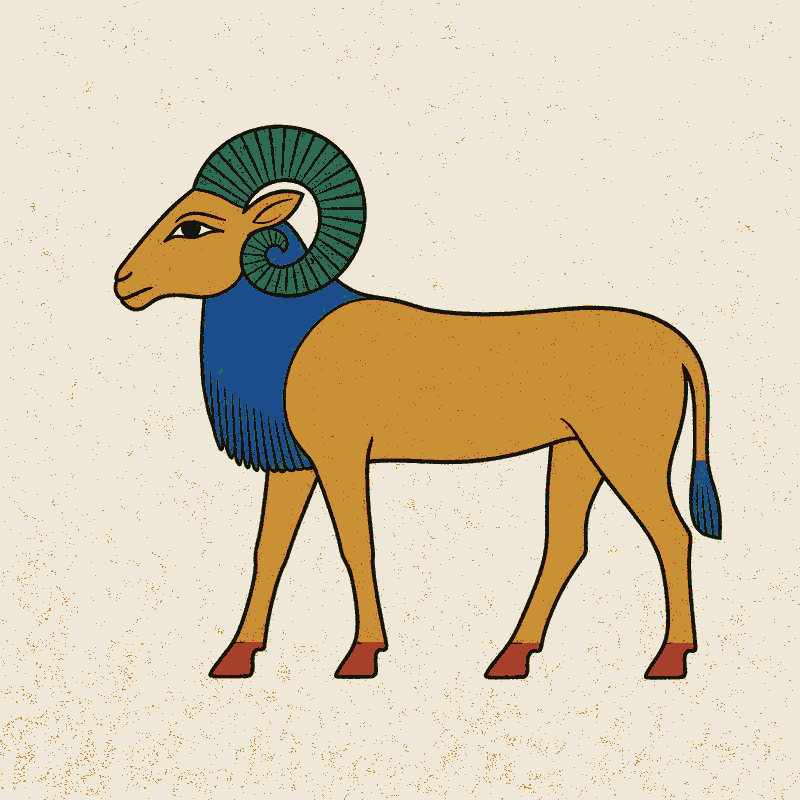
Banebdjedet
the Ram, lord of Tettu, and the god a city is named after
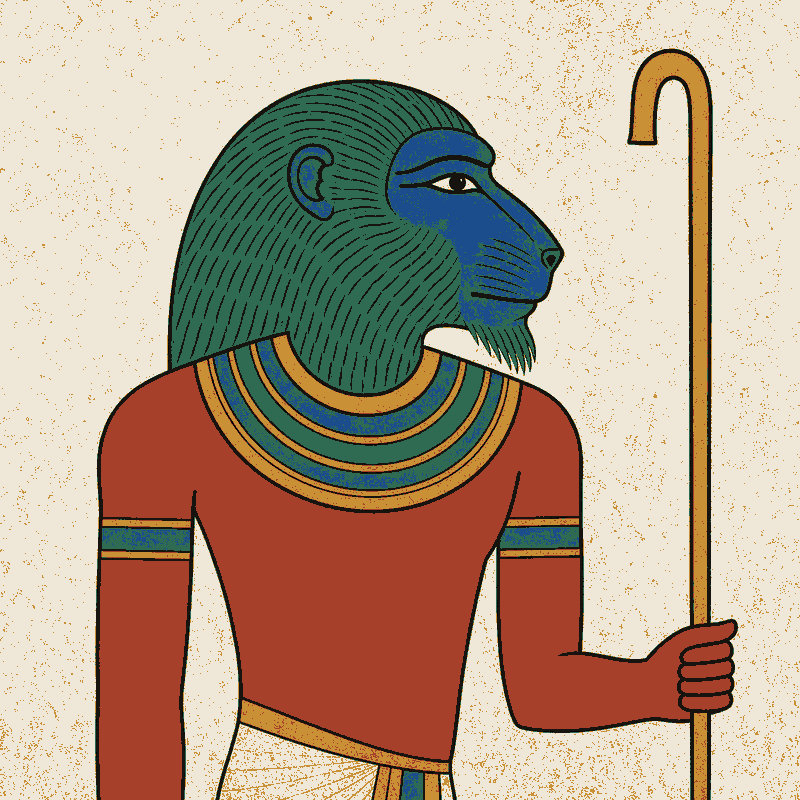
Banti
the one who makes the gates open
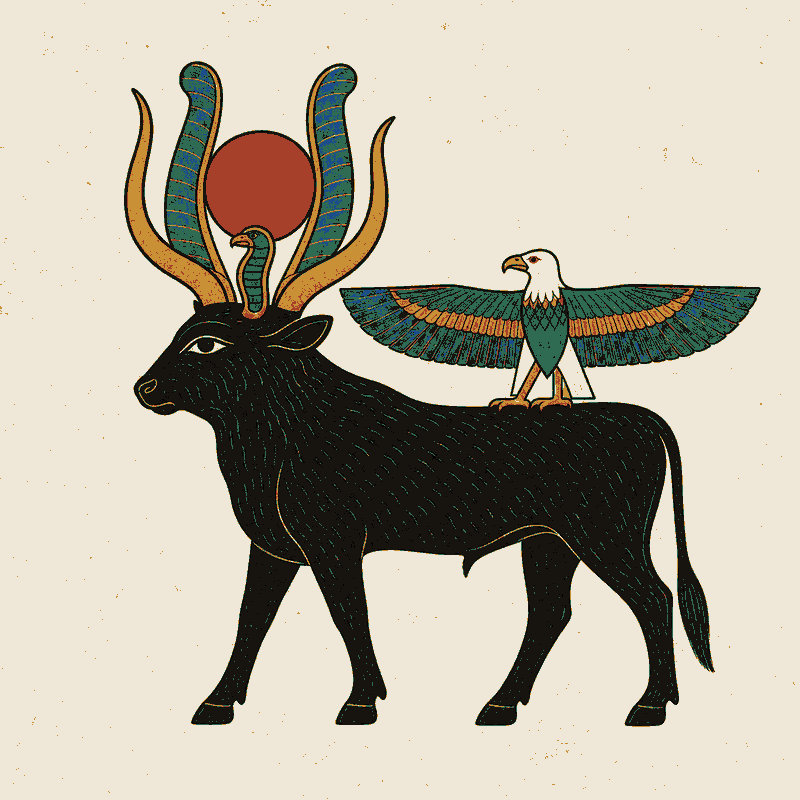
Buchis
the bull that changed colour every hour
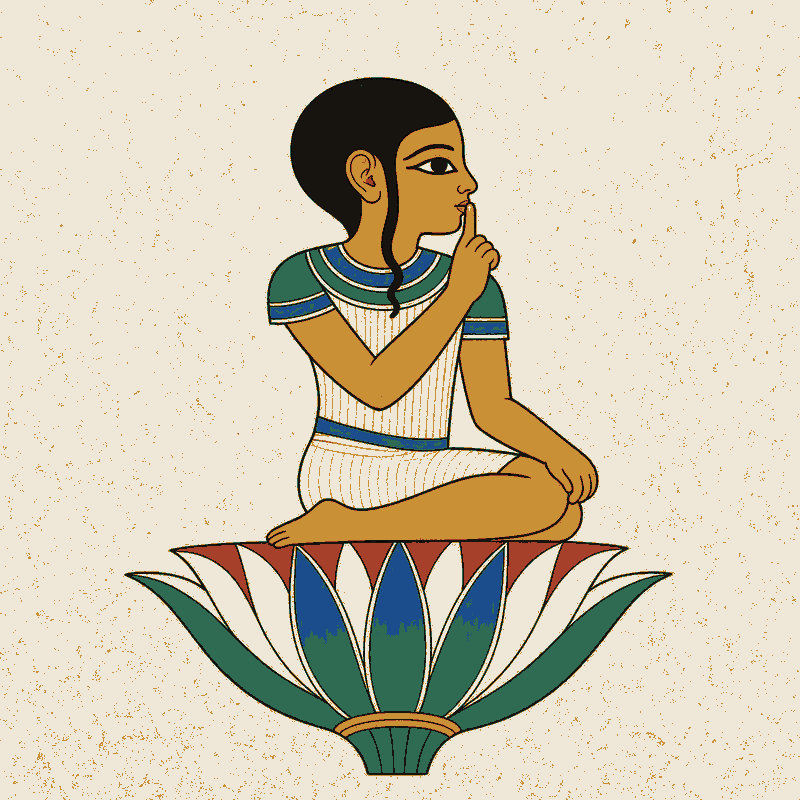
Harpocrates
Horus the Child
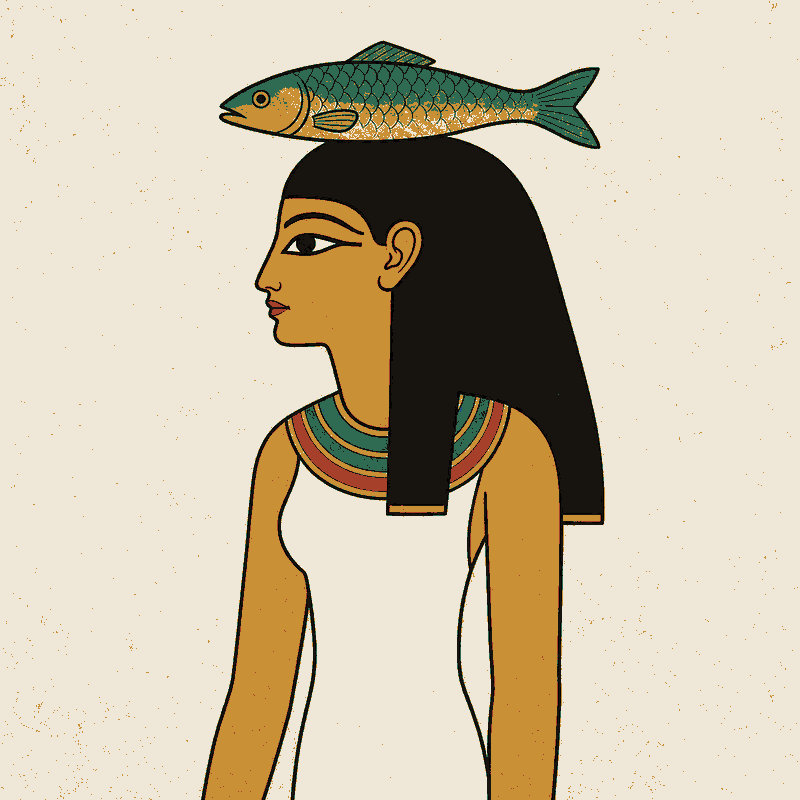
Hat-Mehit
the goddess who wears her own province
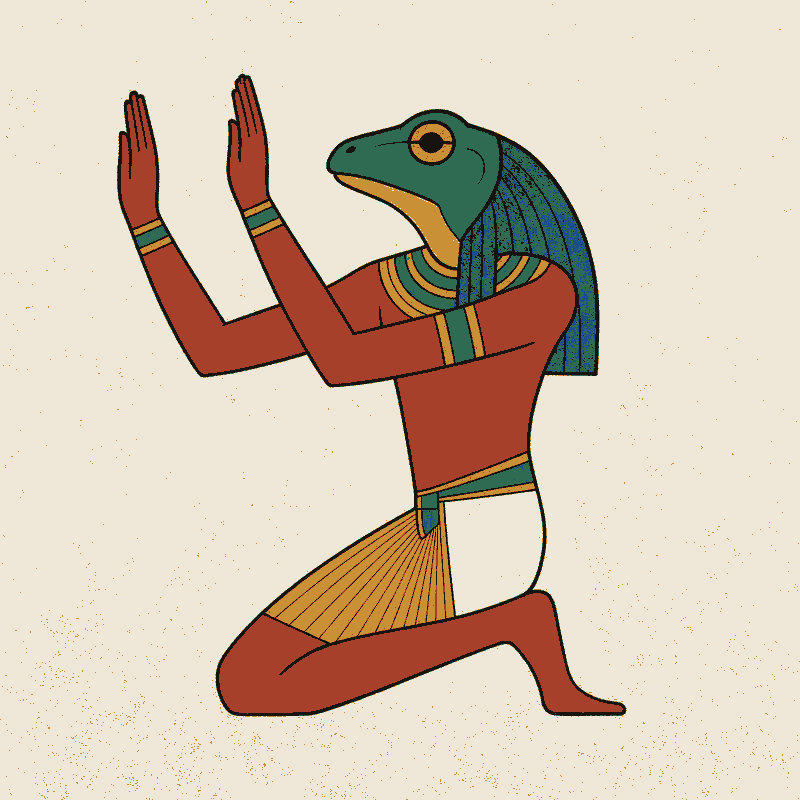
Hehu
millions of years
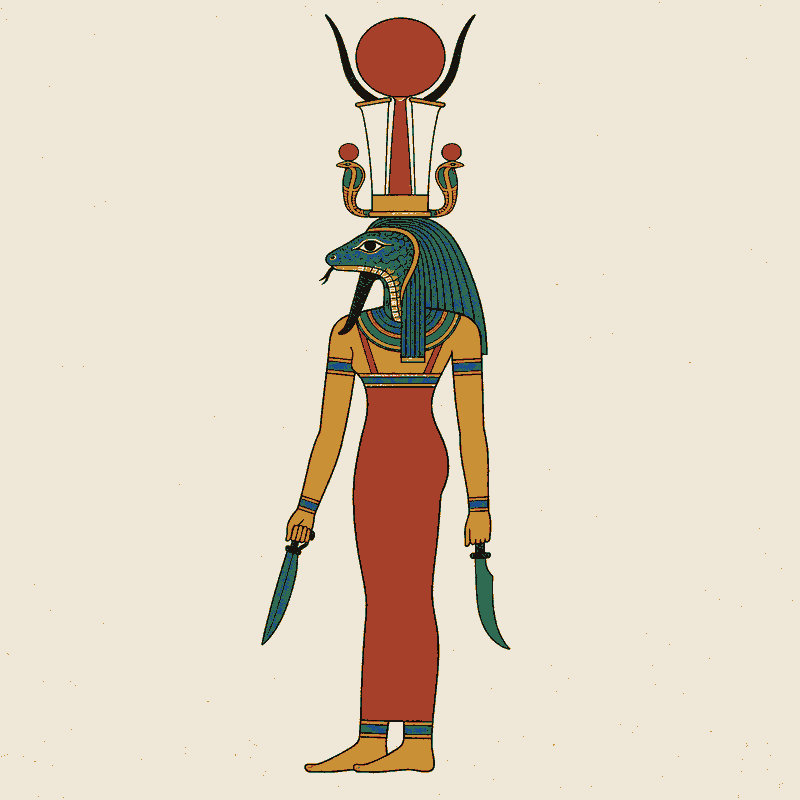
Heptet
the snake-headed goddess who helped raise Osiris
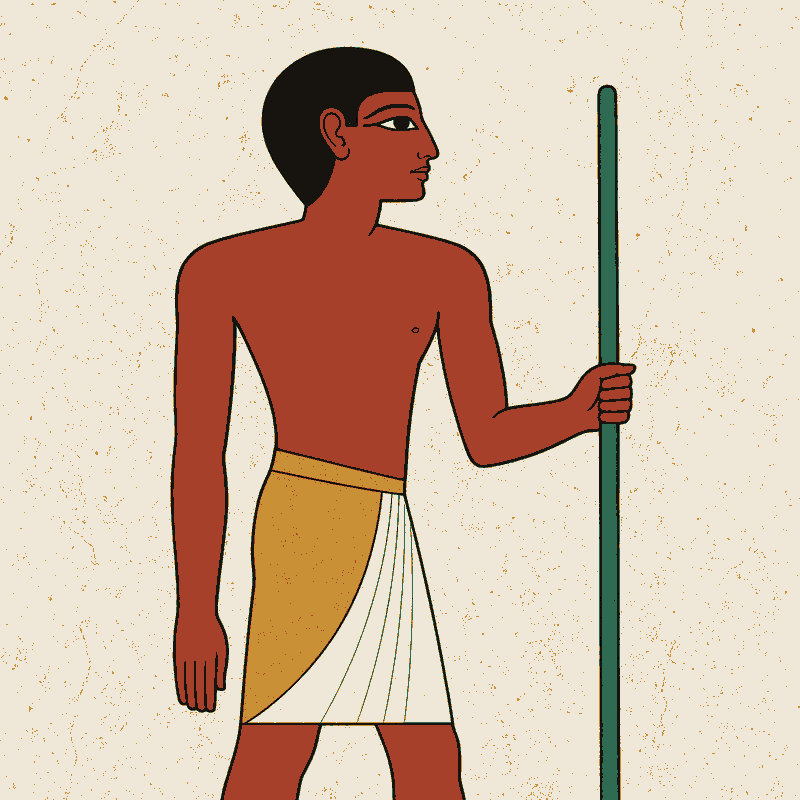
Her-khu
first of the four who provide food
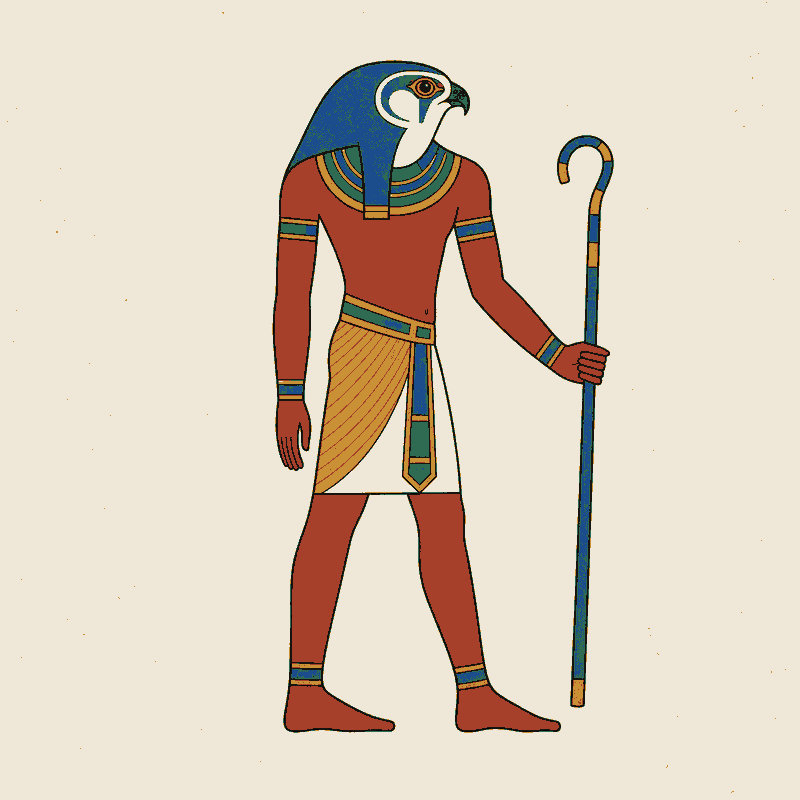
Heru-hequi
the hawk with the crook
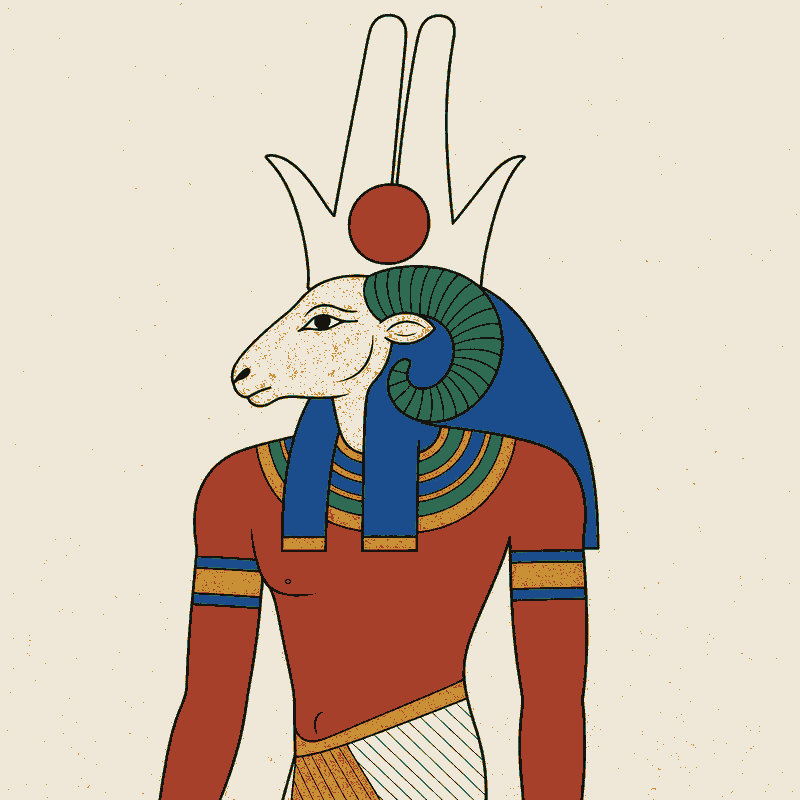
Heryshaf
the ram of Herakleopolis, and a name that means virility
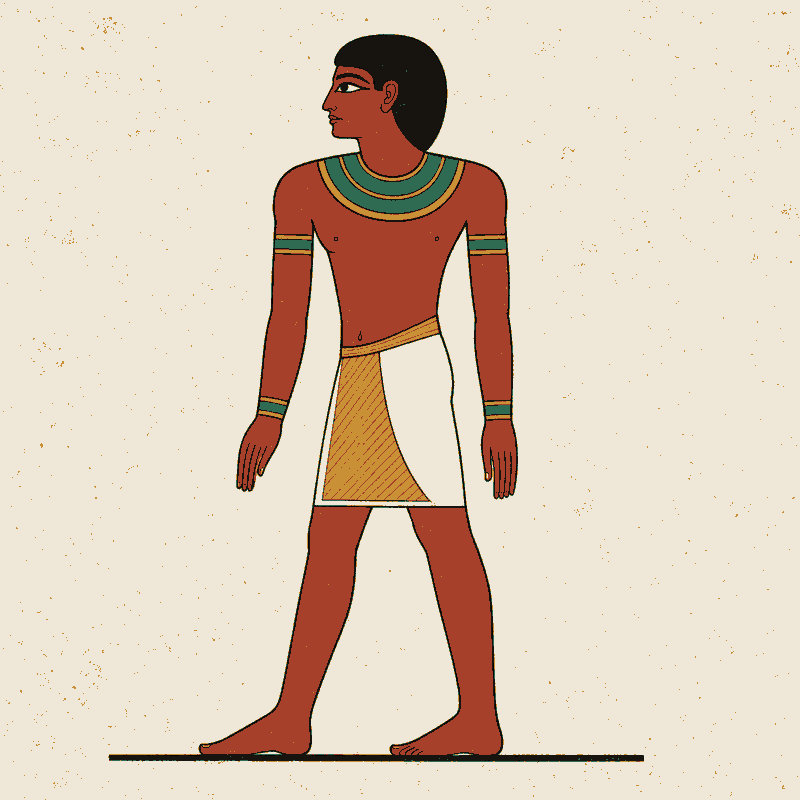
Hra-f-ha-f
he whose face is behind him
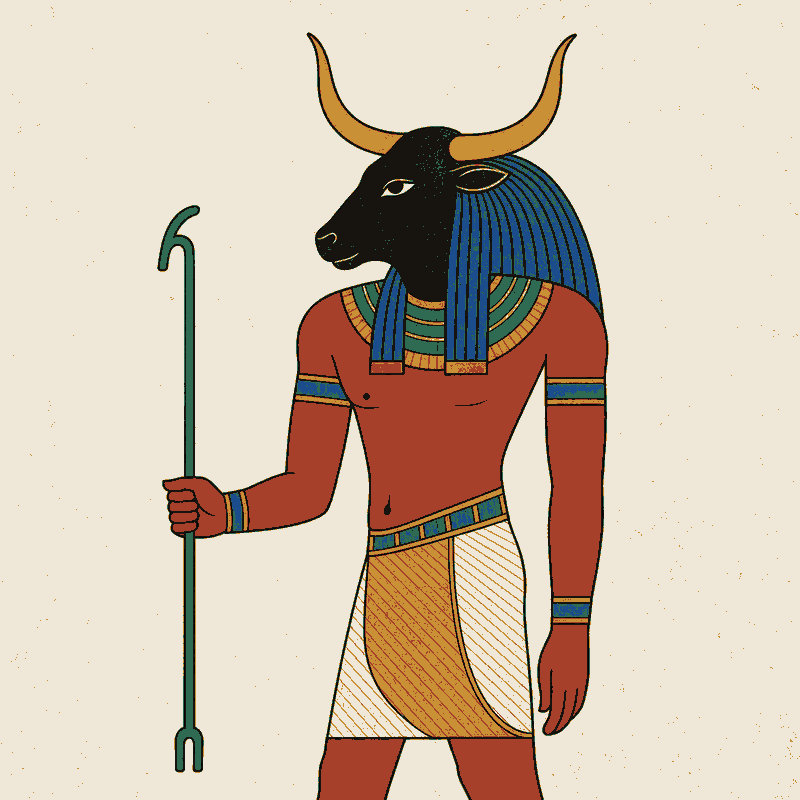
Ka-Amenti
the bull of the west
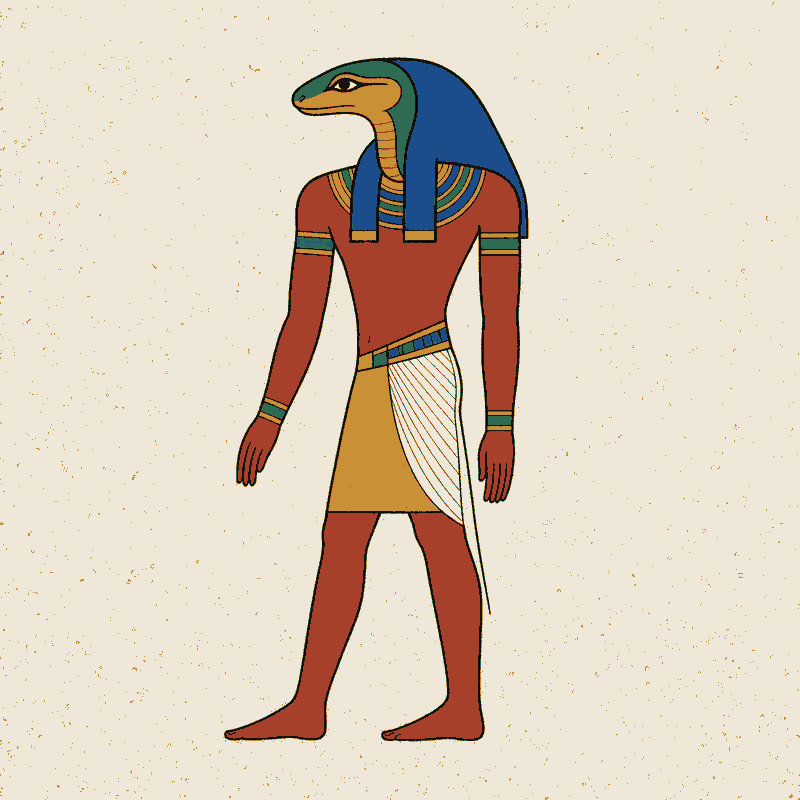
Kekui
the raiser up of the light
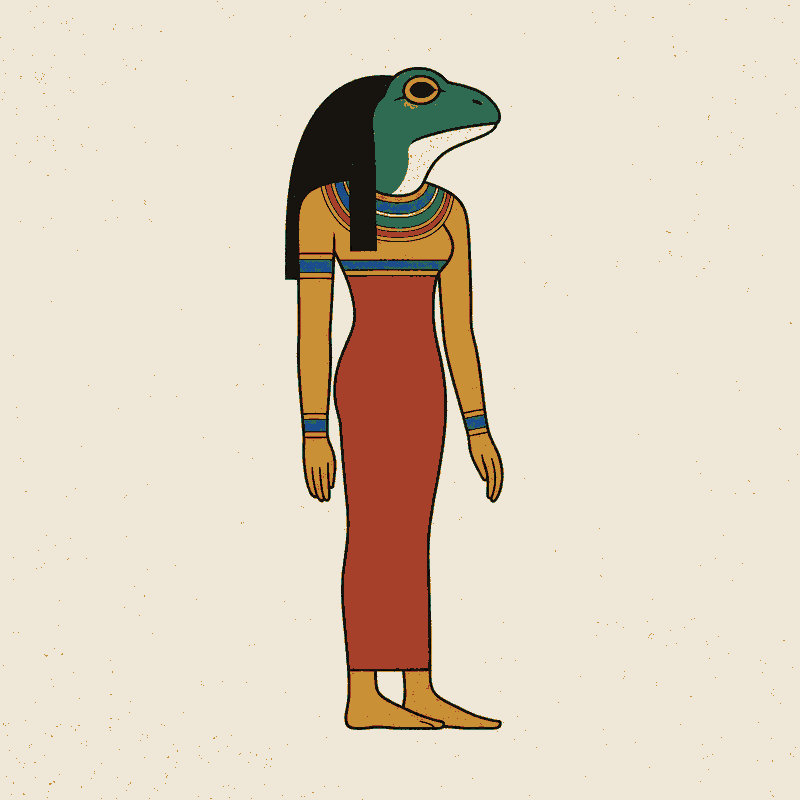
Kekuit
the raiser up of the night
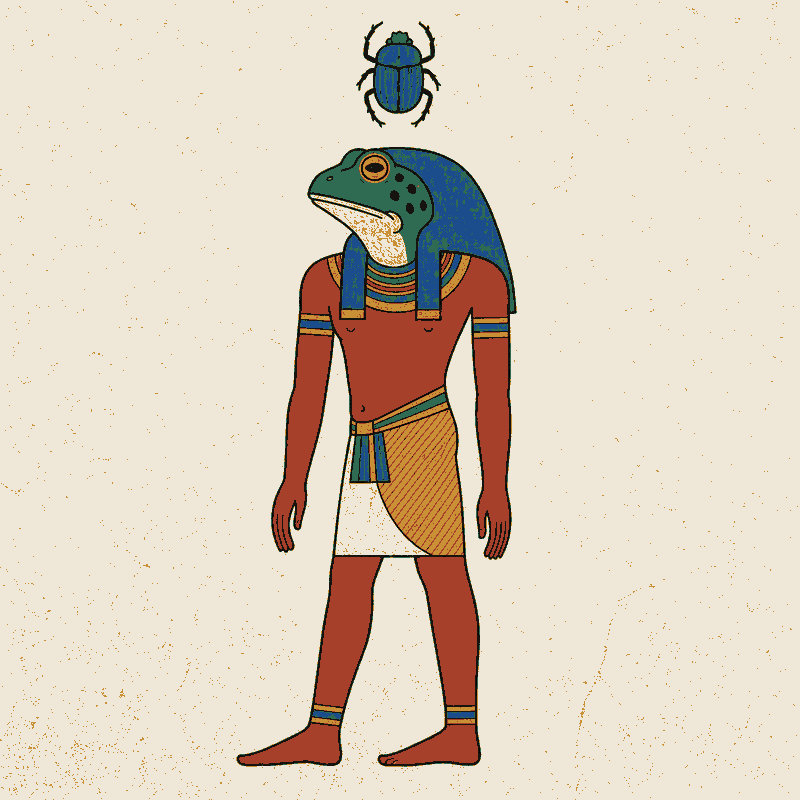
Kerh
night, or repose
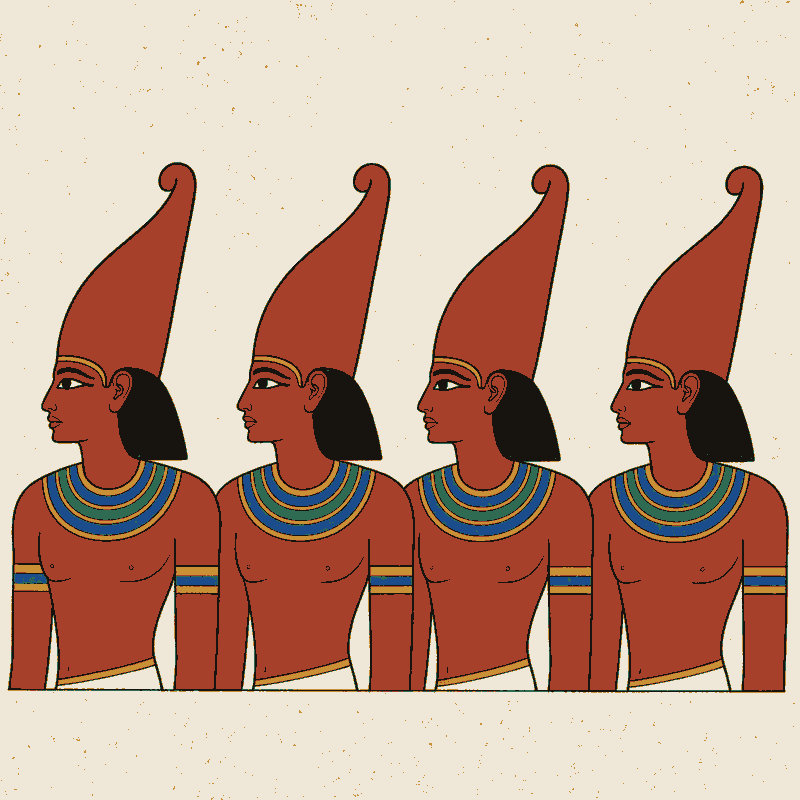
Khnemiu
four in red crowns
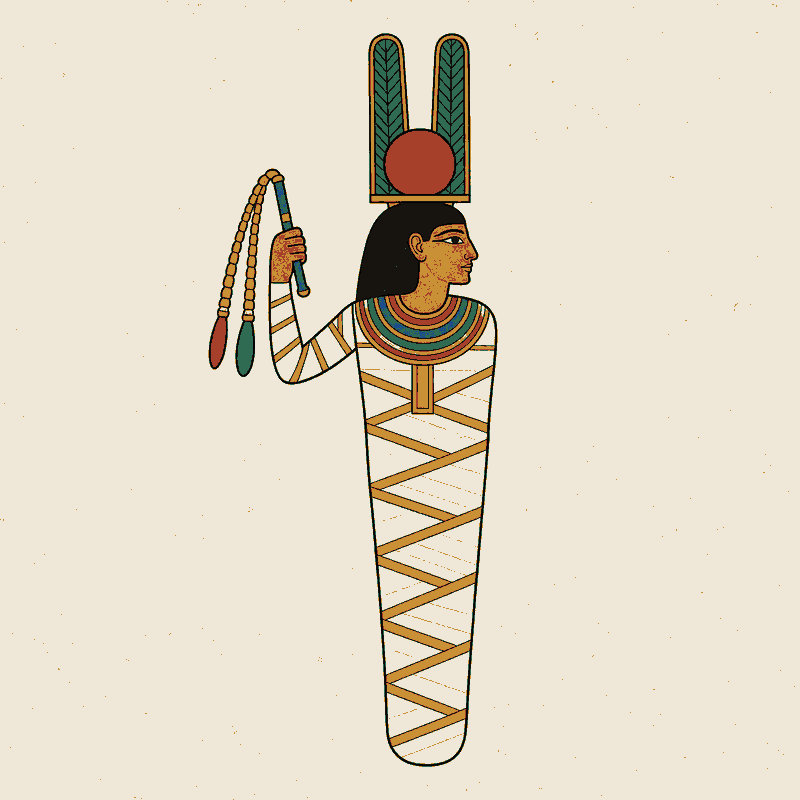
Min
the god of the lifted hand
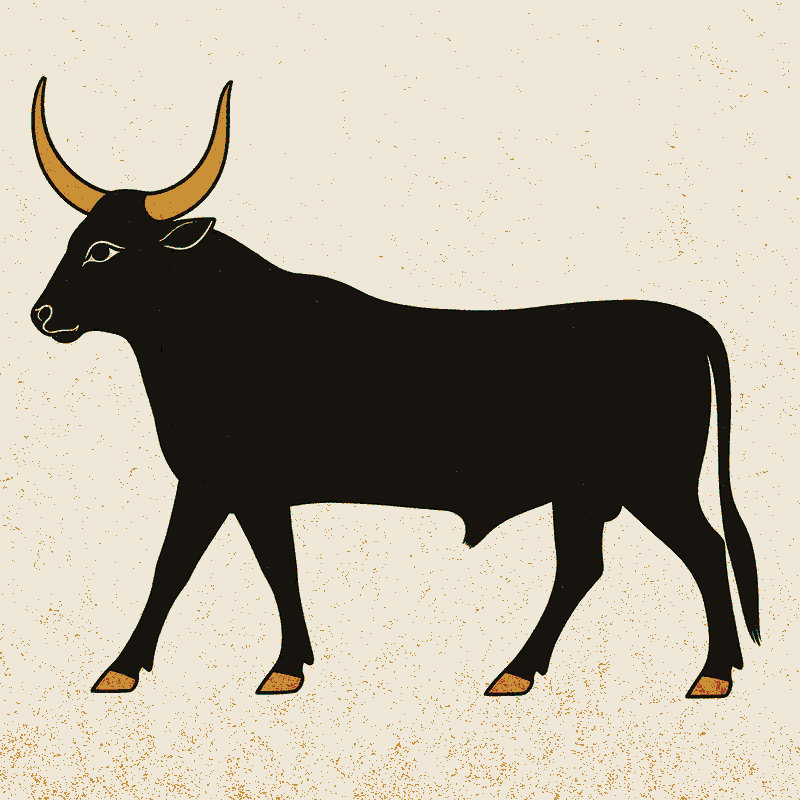
Mnevis
the bull of Heliopolis, and Akhenaten's exception
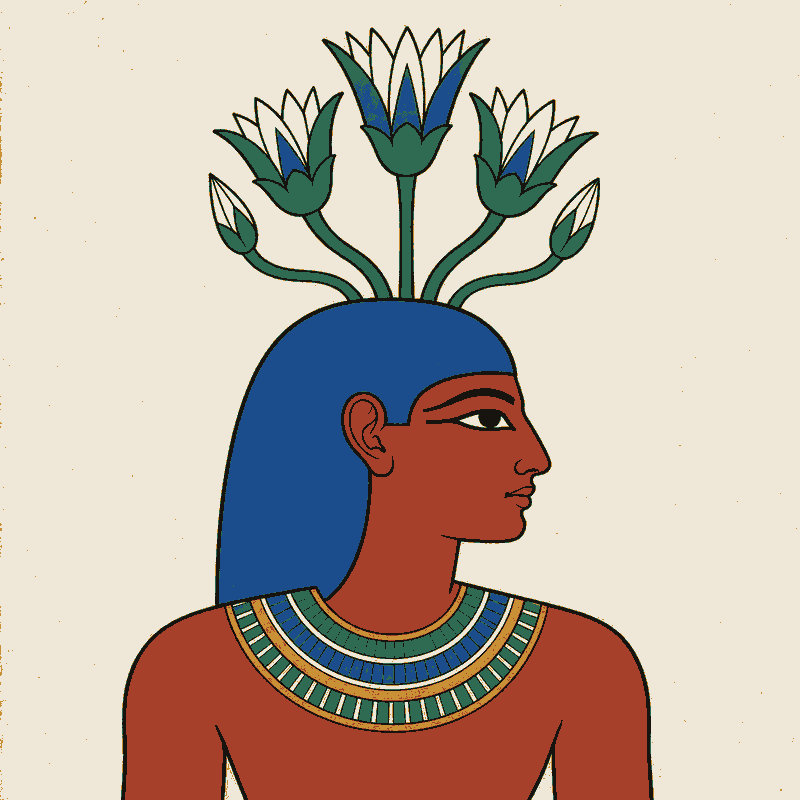
Nefertem
the lotus the sun came out of
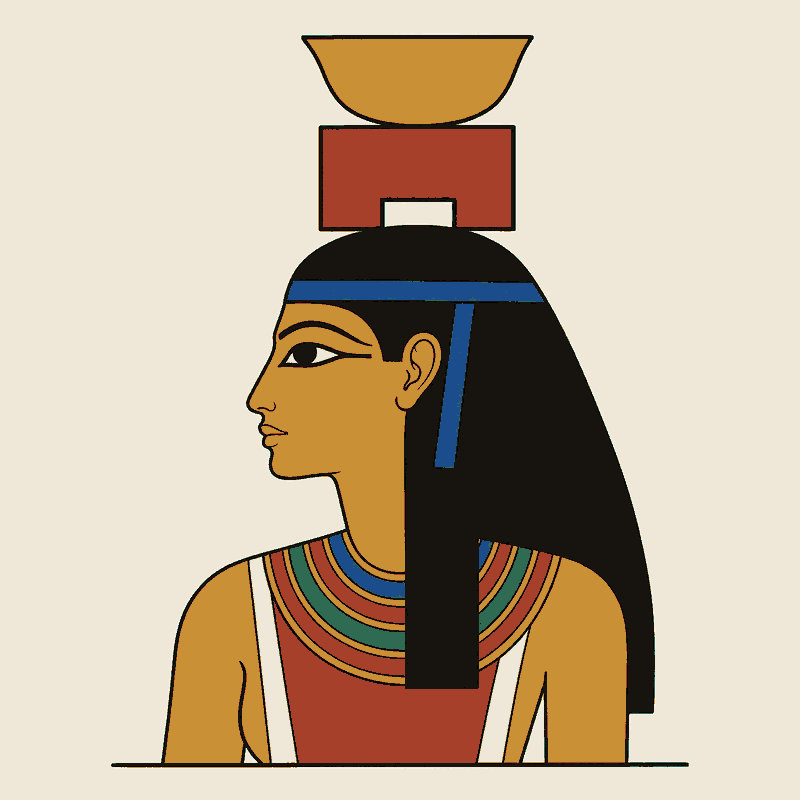
Nephthys
lady of the house, the other mourner
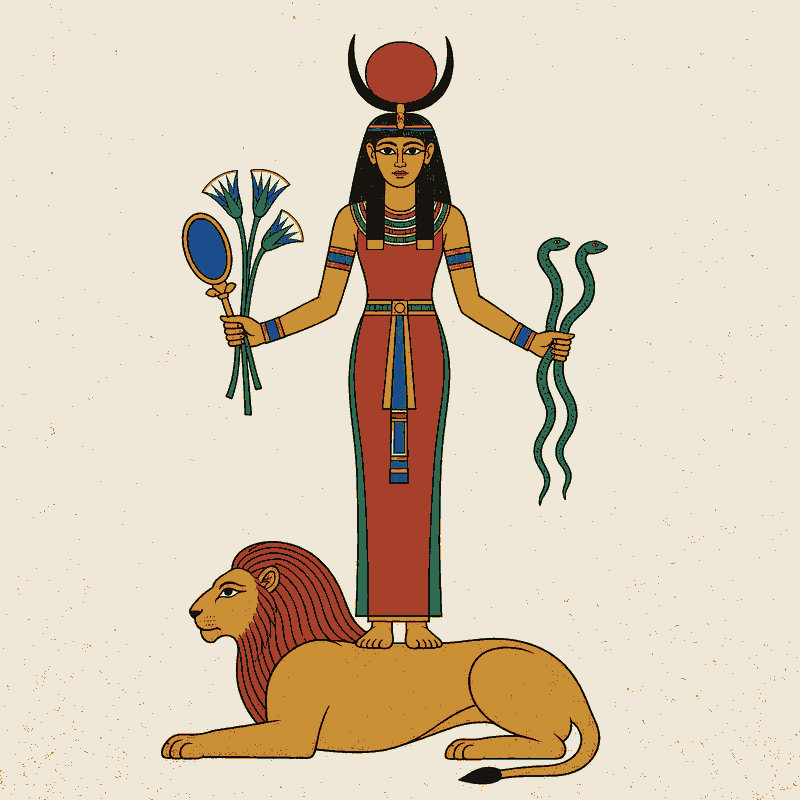
Qetesh
naked, on a lion, facing you
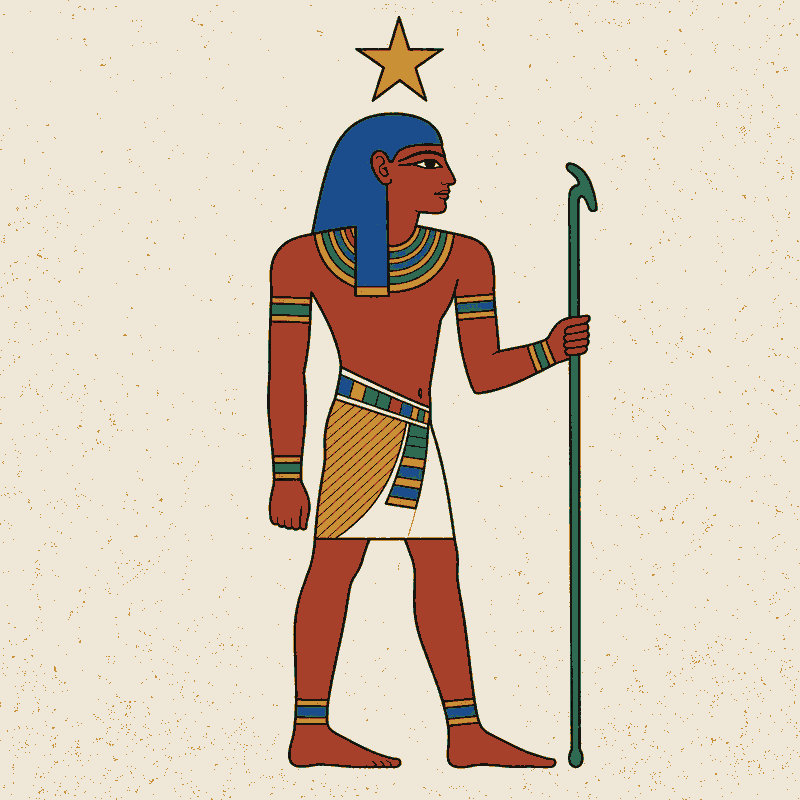
Renen-sbau
the one who sets the stars in their places
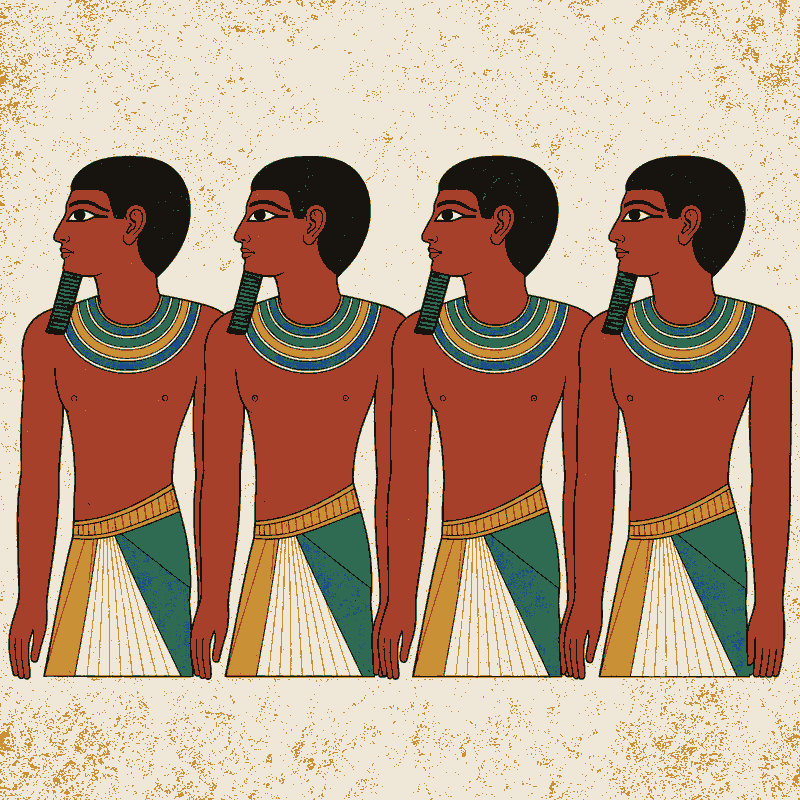
Renniu
four bearded gods
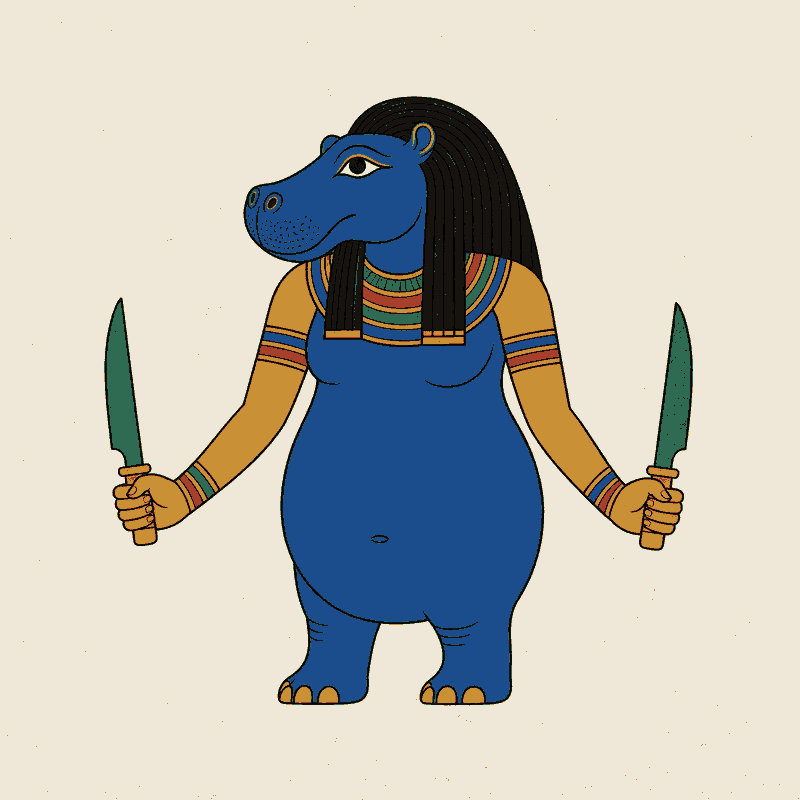
Reret
the hippopotamus who holds the Great Bear on a chain
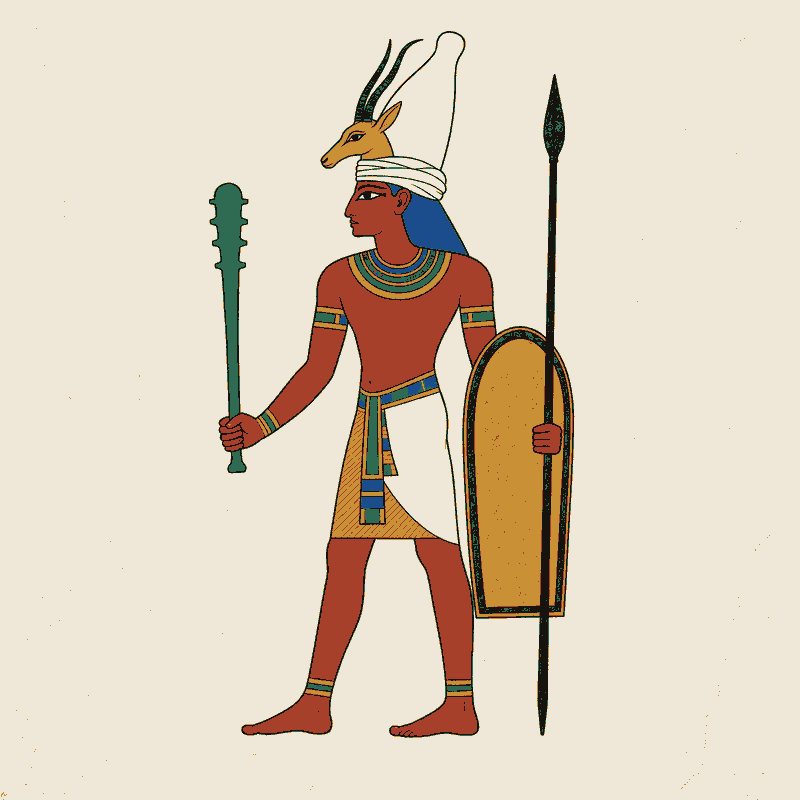
Resheph
the gazelle on the war god's brow
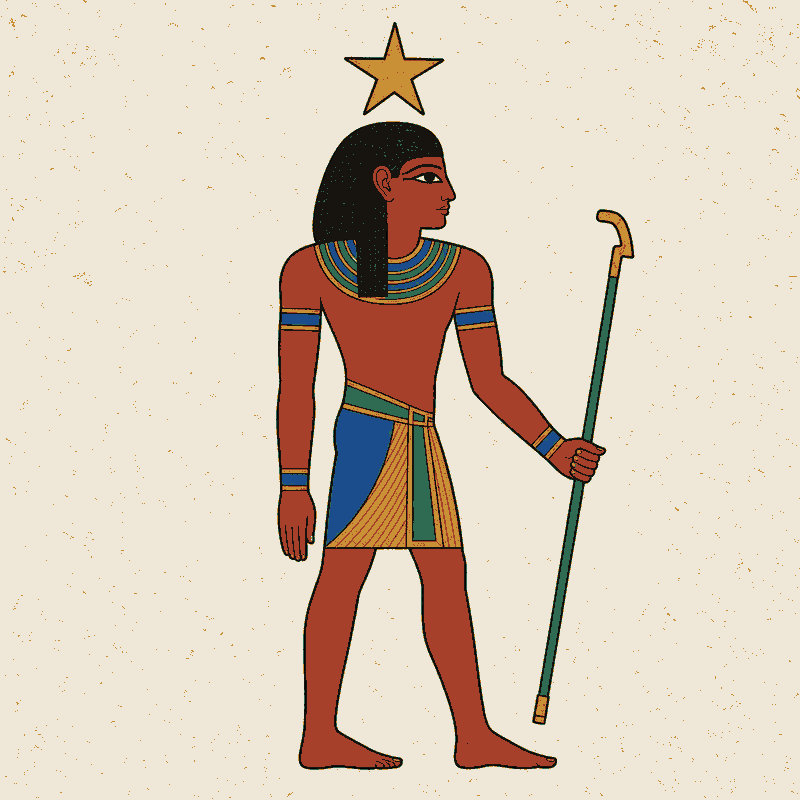
Seshsha
the one who calls out to the stars
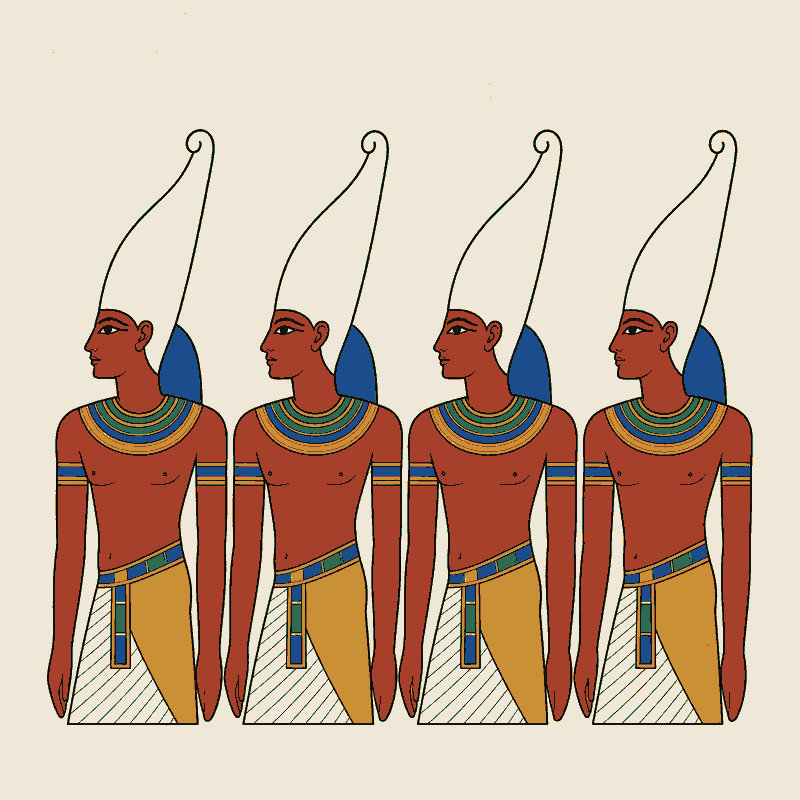
Setheniu-tep
four in white crowns
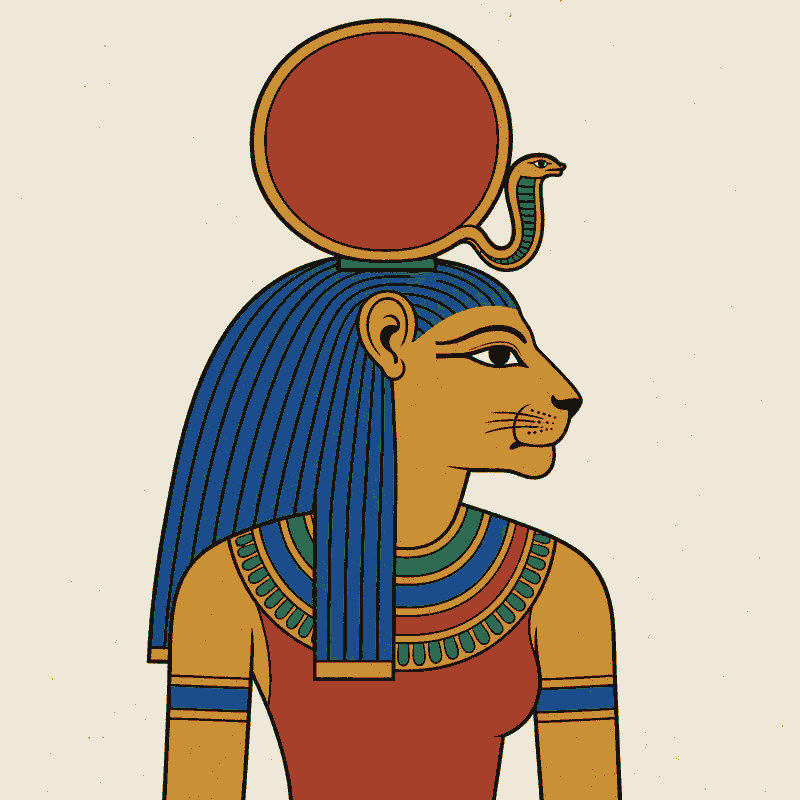
Tefnut
the moisture, and half a soul
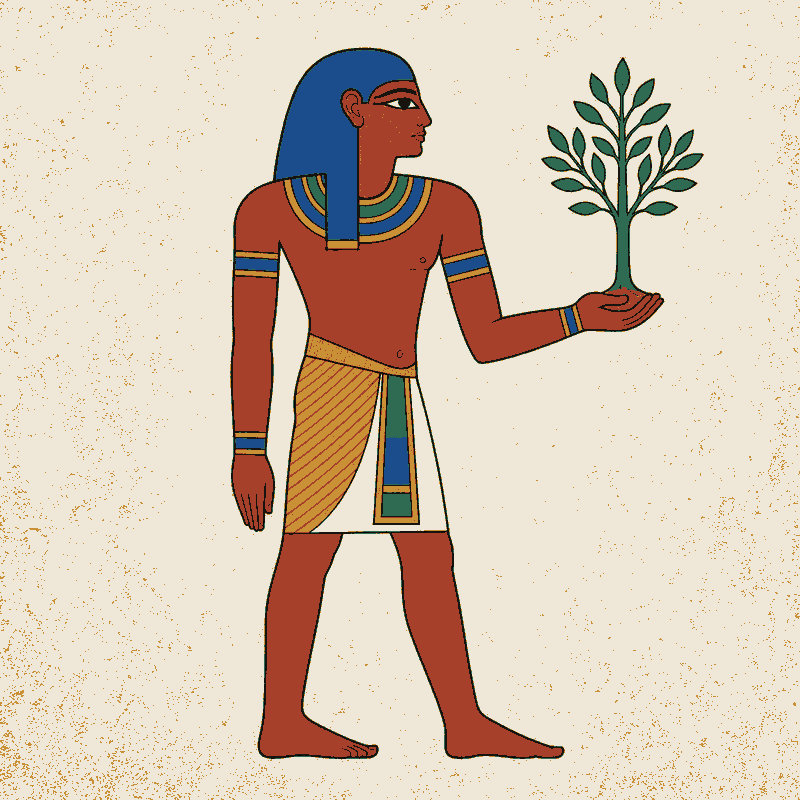
Ut-metu
the one holding a tree
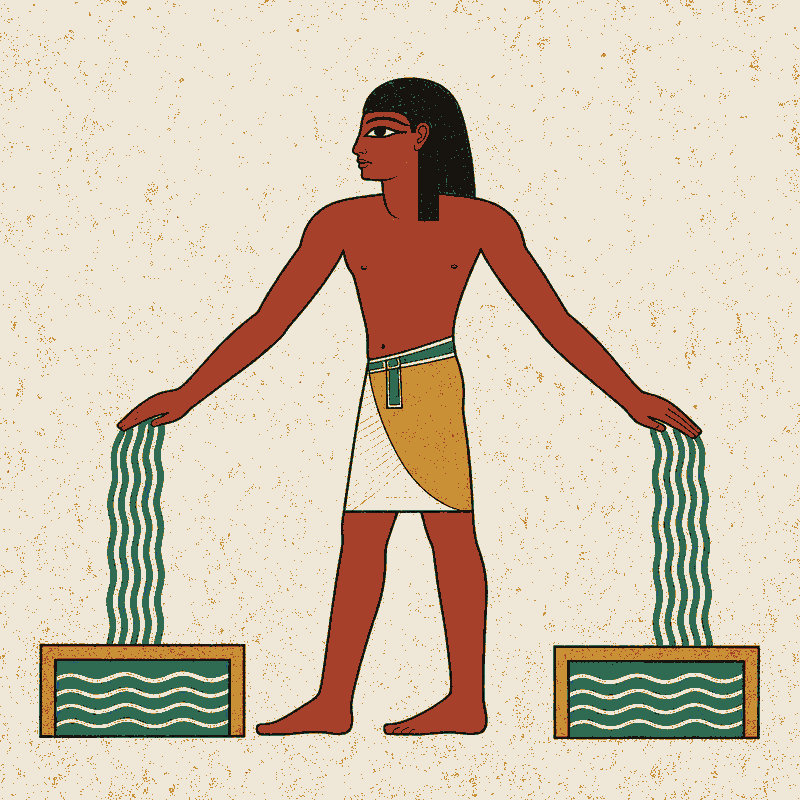
Wadj-wer
the Great Green, who is a god, a goddess and a lake
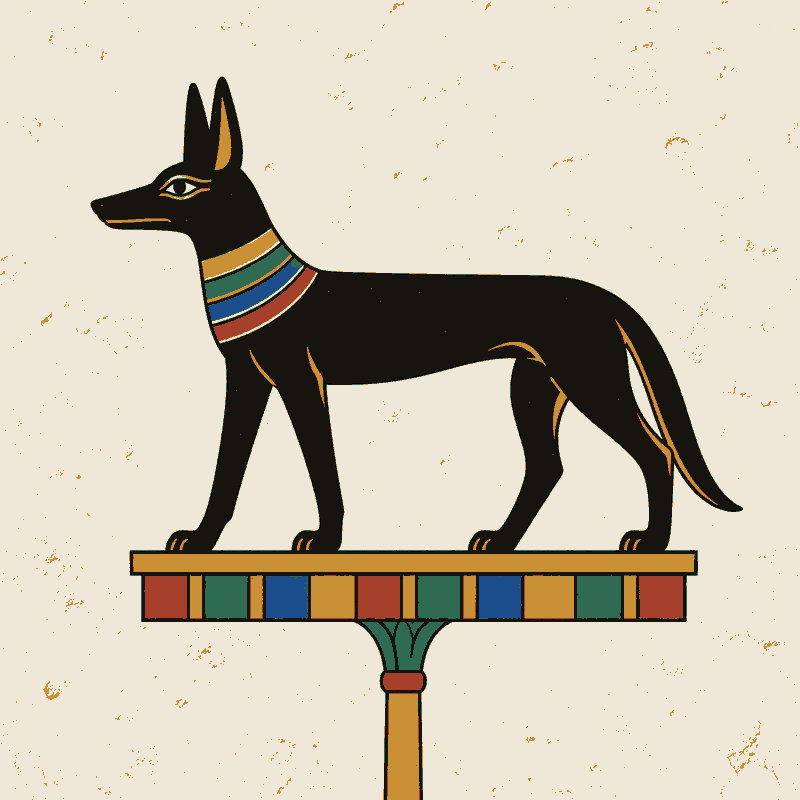
Wepwawet
the Opener of the Ways, and the other jackal